Claude Duet: Anthropic's Proactive Agent App That Messages You First, Works While You're Away and Asks Before It Acts
On October 21, 2026, Anthropic opened a research preview of Claude Duet, a standalone app where Claude works as a proactive agent for professionals and small business owners. It sends a morning brief, watches your connected apps, runs tasks on its own cloud computer and waits for your approval before it sends, pays, signs or deletes. Here is how it works, what it connects to, the safeguards, and the limits.

What happened
On October 21, 2026, Anthropic announced Introducing Claude Duet: a research preview of a new app where Claude works as a proactive agent. Instead of waiting for you to open a chat, it comes to you with what needs your attention, completes tasks you hand it, keeps working when you step away, and checks with you before it acts on your behalf. Anthropic says it built Duet for professionals and small business owners with more on their plates than they can track. This page is the long-form briefing behind the BSH Technologies Instagram carousel.
- Where: a standalone app on iOS and Android, and on the web at claude.ai.
- Who: US Pro and Max subscribers, by waitlist, with access opening in waves. Team and Enterprise plans are not included yet.
- Model: built around Claude Opus 5.5; you cannot pick a different model, and Duet decides how much effort a job needs.
- Price: included in Pro and Max during the preview, sharing the same usage limits as the rest of Claude.
1. The morning brief: it messages you first
- Each morning Duet sends a short brief on the most important items across your connected apps, such as email and calendar, and can start first steps like drafting replies for you to review.
- During the day it checks your connected accounts every few hours (not nonstop, because that would burn through plan limits) and messages you only when something needs you. You can tell it what you want to hear about and how often.
- One thread. You talk to it by typing or voice in one ongoing thread, so a quick reply and a weeklong project start in the same place. Your Claude memory, skills and connected apps carry over, so setup is minimal.
2. It keeps working when you step away
- Its own computer. Duet has a virtual machine in the cloud with its own browser, so your laptop or phone does not need to be on.
- Hand it a job. Describe a task in a short message and it works out which apps to use and what steps to take, then notifies you when the task is done or needs review. Finished work, such as a research brief, financial model, slide deck or dashboard, comes back as files you can edit.
- Real examples from testers. A real-estate broker had Duet flag a showing booked on the wrong day without being asked. A restaurant owner with about 110 employees used it for accounting, support and marketing. A brand strategist got a client brief and an offer to move a call that clashed with her flight.
3. 6,000+ connectors and plugins
- Duet can use the more than 6,000 connectors and plugins in the Claude Marketplace. Anthropic's examples: find missed Gmail and Slack messages and help you reply; check QuickBooks or Stripe for unpaid invoices and draft reminders; prepare payroll in Gusto; post an approved job listing to LinkedIn; send agreements through Docusign; draft follow-ups from HubSpot; turn a launch into a Canva campaign; and set up a Shopify store.
- Purchases. It can buy things for your business with Link, Stripe's digital wallet: Duet confirms the item, Link asks you to approve the spend, and it pays with a virtual card so your real card number is not shared. It can also check out with Shopify's Shop Pay.
- Gaps today. Some connectors, such as Slack, work with limits, and Microsoft 365 is not available yet. For sites without a connector, Duet uses its cloud browser.
4. You stay in charge: it asks first
- Approval gate. Duet reads, drafts and prepares work on its own, but before it sends a message, makes a payment, signs a document or deletes anything, it shows you exactly what it is about to do and waits for your approval.
- Hard limits. Some actions are off-limits even with approval, such as trading securities, moving money between accounts or accessing someone else's account. It does not make phone calls or send texts to other people.
- Credentials. Following the design of Claude Managed Agents, Duet never directly sees your passwords or sign-in tokens.
- Safeguards. Actions pass Anthropic's auto mode classifier; prompt-injection defences come from its browser-use research; a new classifier and safety prompt block sharing the strictest tier of data, such as card numbers and government IDs, and let health or finance details through only when you explicitly instruct it. Red teams and an external firm penetration-tested Duet, and it is covered by Anthropic's public bug bounty.
5. The catch: it is an early preview
- Anthropic says Duet may still misread a thread or misjudge what is urgent, and because it checks at intervals, something urgent can arrive between checks.
- It is weaker at personal errands like booking tickets, and you cannot yet watch or take over its browser.
- Background checks and big jobs (a financial model or a deck) count toward your plan's usage limits.
- For now it lives in a separate app from the main Claude app; Anthropic says early feedback will shape how the two work together.
Why it matters
Claude Duet lands in a crowded race for always-on personal agents. CNBC framed it as Anthropic's answer to OpenAI's Dots and Meta's Muse agents. The design choices are the interesting part: scheduled check-ins instead of constant polling, one conversational thread, a cloud computer so work continues without your device, and an explicit approval step for anything irreversible. For small businesses, the pitch is fewer tabs and fewer dropped balls; the open questions are judgment (what it decides to bother you with) and trust (what it is allowed to touch).
What it means if you are learning AI
Duet is a good template for how agent products are being built: a strong model plus connectors, a sandboxed computer, scheduled triggers, classifiers that gate risky actions, and human approval for anything that cannot be undone. If you build agents, the skills that matter are designing those approval points, deciding what is safe to automate, and measuring when an agent should interrupt a person versus wait.
Sources
Frequently asked questions
What is Claude Duet?
Claude Duet is a research-preview app from Anthropic, announced October 21, 2026, where Claude works as a proactive agent. It sends a morning brief, keeps tabs on your connected apps, completes tasks in the background and checks with you before it acts on your behalf.
Who can use Claude Duet?
US subscribers on Claude Pro and Max plans, through a waitlist, with access opening in waves. It runs on iOS, Android and claude.ai. Team and Enterprise plans are not included yet.
Does Claude Duet cost extra?
During the research preview it is included in Pro and Max plans and shares the same usage limits as the rest of Claude. Its background checks and larger tasks count toward those limits.
Can Claude Duet act without my permission?
It reads, drafts and prepares work on its own, but before it sends a message, makes a payment, signs a document or deletes anything it shows you what it will do and waits for approval. Trading securities and moving money between accounts are off-limits even with approval.
What apps does Claude Duet work with?
It can use more than 6,000 connectors and plugins in the Claude Marketplace, including Gmail, Slack, QuickBooks, Stripe, Gusto, LinkedIn, Docusign, HubSpot, Canva and Shopify. Microsoft 365 is not available yet.
From the blog
View all posts
Claude Designed Protein Binders Against Scorpion Venom Toxins: 318,484 Designs, 211 Lab Tests, 17 Hits
On October 20, 2026, Anthropic reported that a Claude research model ran a largely autonomous protein design campaign against five scorpion neurotoxins. It generated 318,484 designs in 64 hours, two labs tested 211 of them, and 17 met strict binding criteria. Here is how it worked, what the lab data shows, and why this is a first step, not an antivenom.

Amazon's TorchNeuron: Your PyTorch Code Now Runs Natively on AWS Trainium, No Rewrite Needed
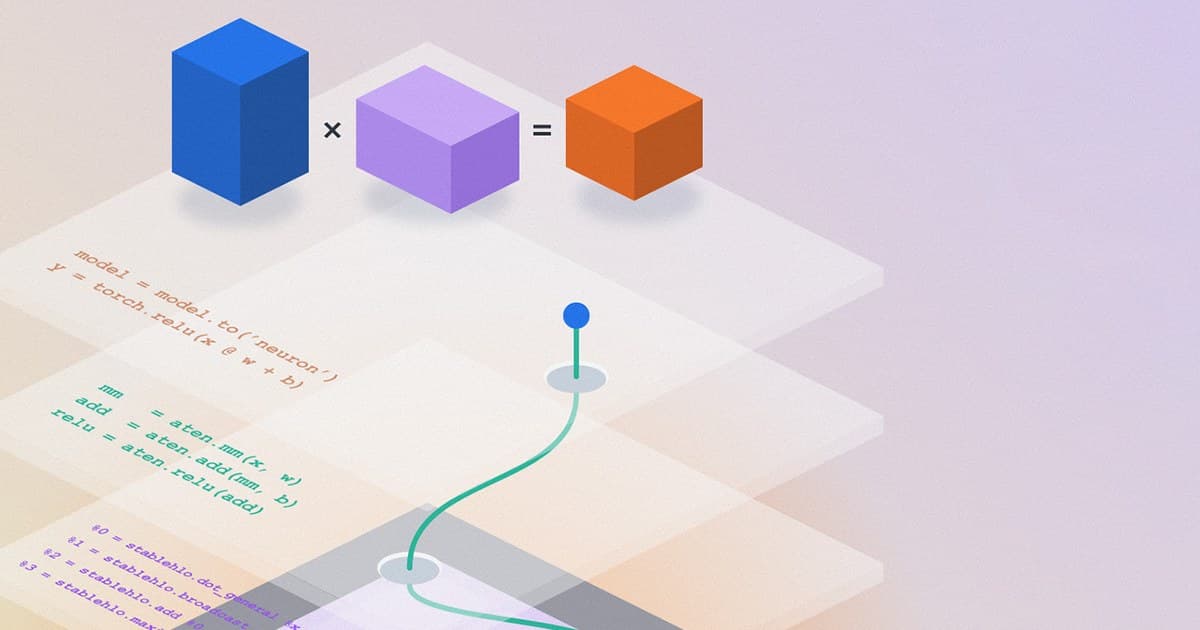
Amazon has released TorchNeuron, a native PyTorch backend for its Trainium AI chips, as an open-source public beta at PyTorch Conference on October 20, 2026. Existing PyTorch code moves to Trainium with a single device change, Amazon tests it nightly against 100,000 Hugging Face models, and Deepgram says it gets about 60% more audio per dollar than on GPUs. Here is how it works, what is still missing, and why it is aimed squarely at Nvidia's software lock-in.