OpenAI's GPT-6 Astra Designed a Real Codex Gadget: What It Built, Where It Fell Short and the 0.875 BenchCAD Score
On November 3, 2026, OpenAI showed a handheld device for talking to Codex whose enclosure, circuit board, interface and firmware were designed by GPT-6 Astra. Two people built it in under a week as a side project. OpenAI also shared a 23-fold rise in hardware-team token use, a new internal model scoring 0.875 on BenchCAD 2.0, and new engineering trials with Mazda and Chip Ganassi Racing.
What OpenAI announced on November 3, 2026
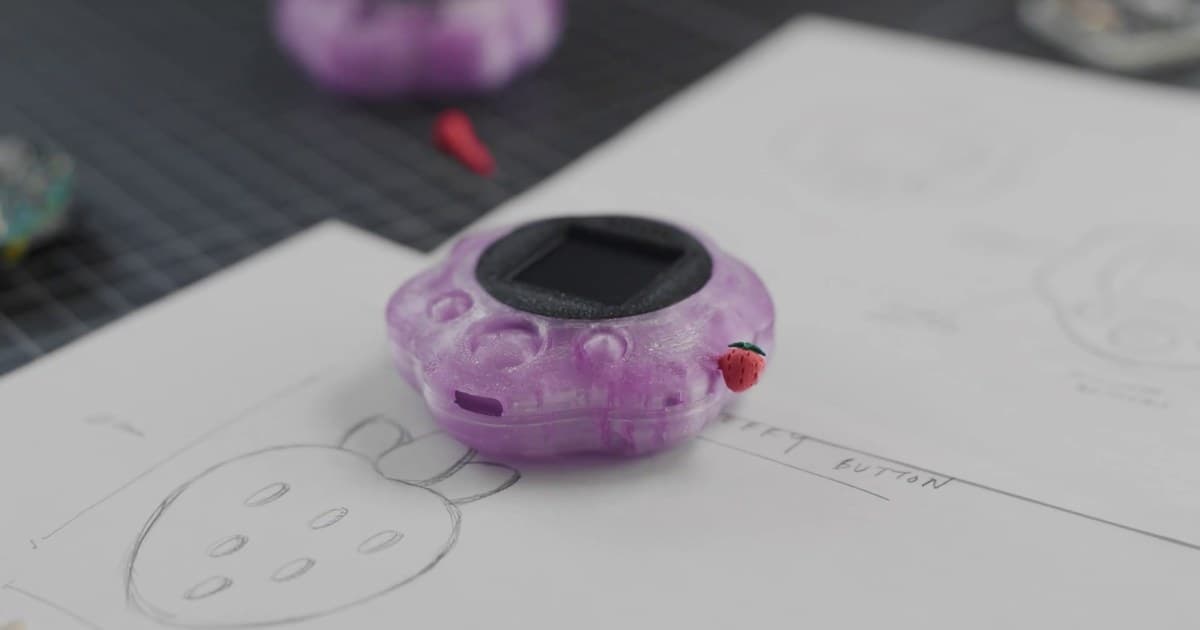
On November 3, 2026, OpenAI published "Accelerating engineering for the physical world", a progress report on using its models for mechanical and electrical engineering. The headline demo is a small handheld device for talking to Codex. OpenAI says it was designed with GPT-6 Astra as a test of whether a model could create a device "without any direct human edits". OpenAI also posted a short film about the project on X. This page is the long-form briefing behind the BSH Technologies Instagram carousel.
What GPT-6 Astra designed
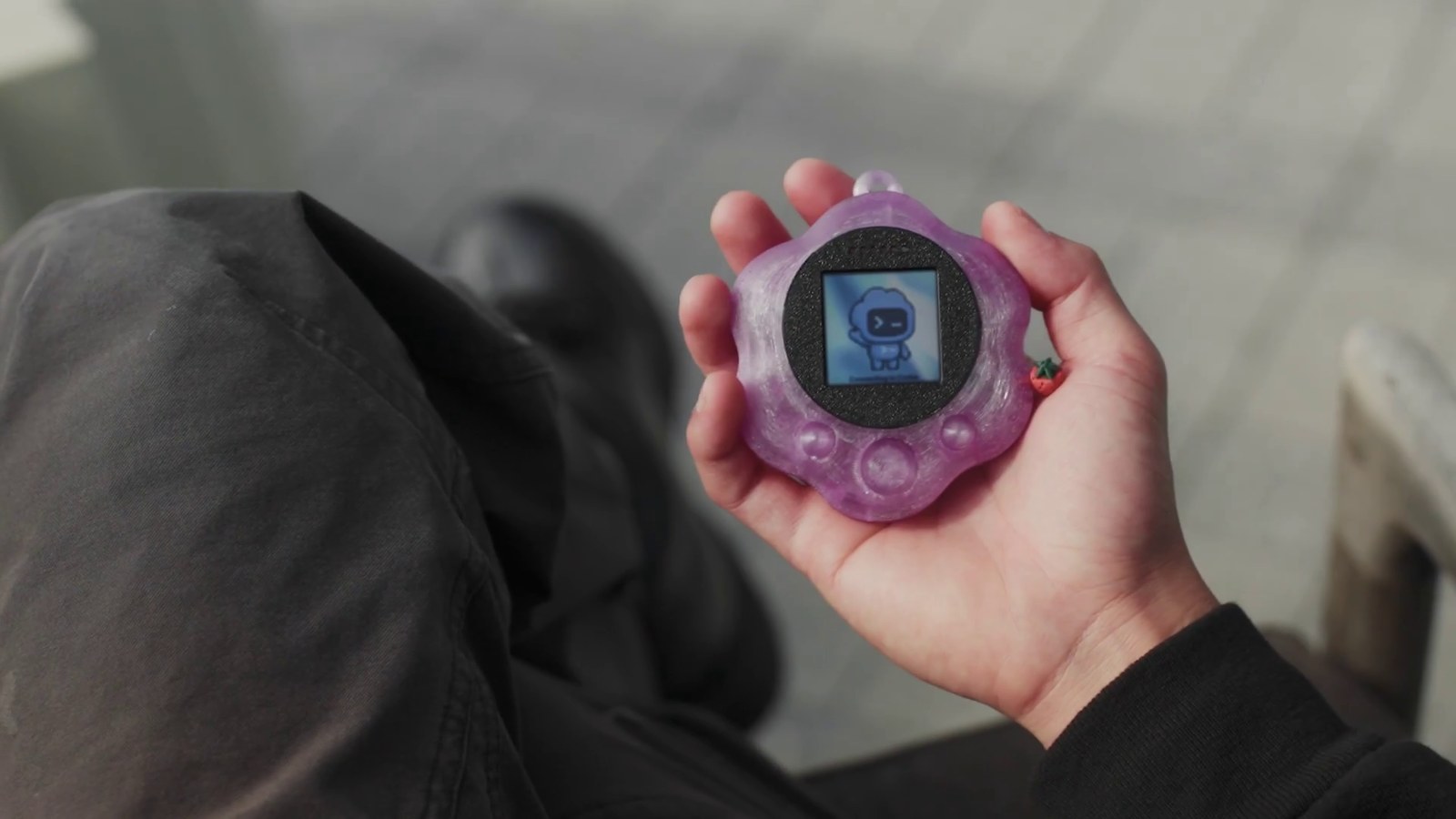
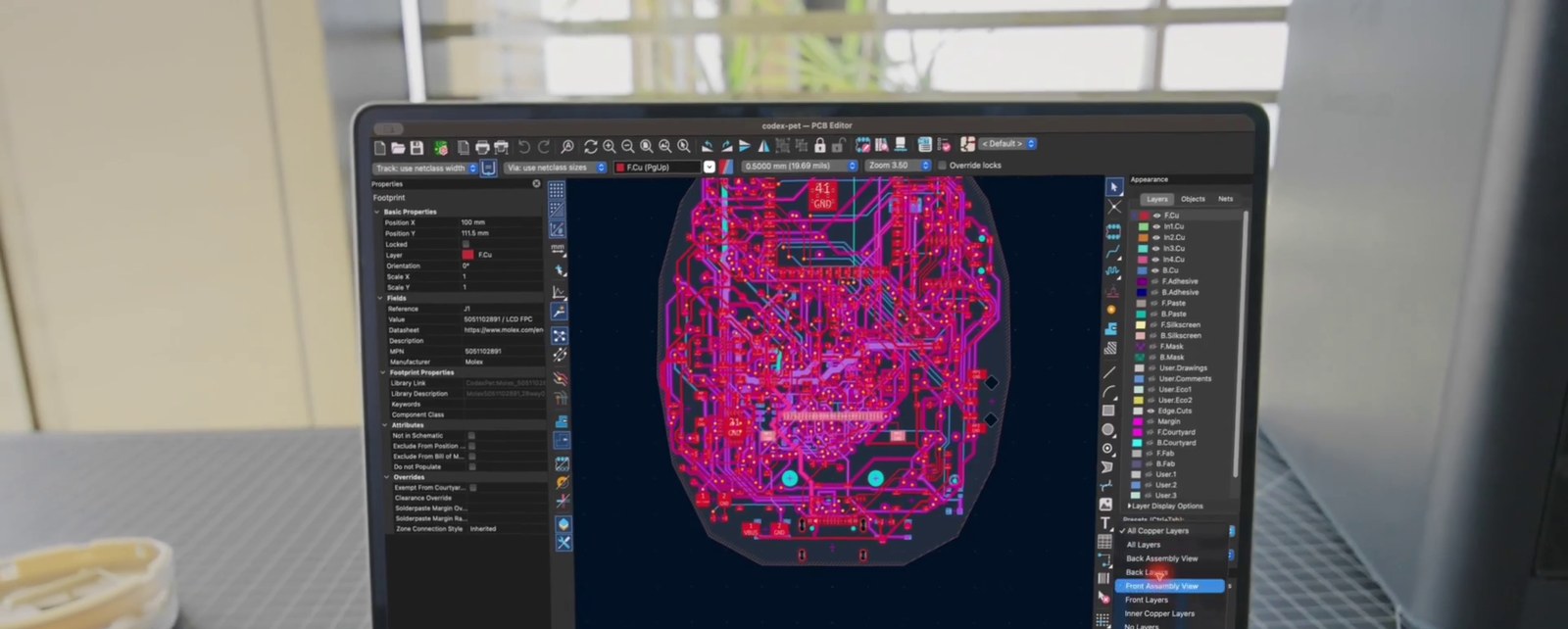
According to OpenAI, GPT-6 defined the functional requirements and then designed the enclosure, the printed circuit board (PCB) and the software integrations for a device that users can use to talk to Codex. OpenAI lists four parts of the work:
- Look and feel: Astra developed the appearance, drawing on OpenAI's Codex Micro collaboration with Work Louder and on references from games and toys.
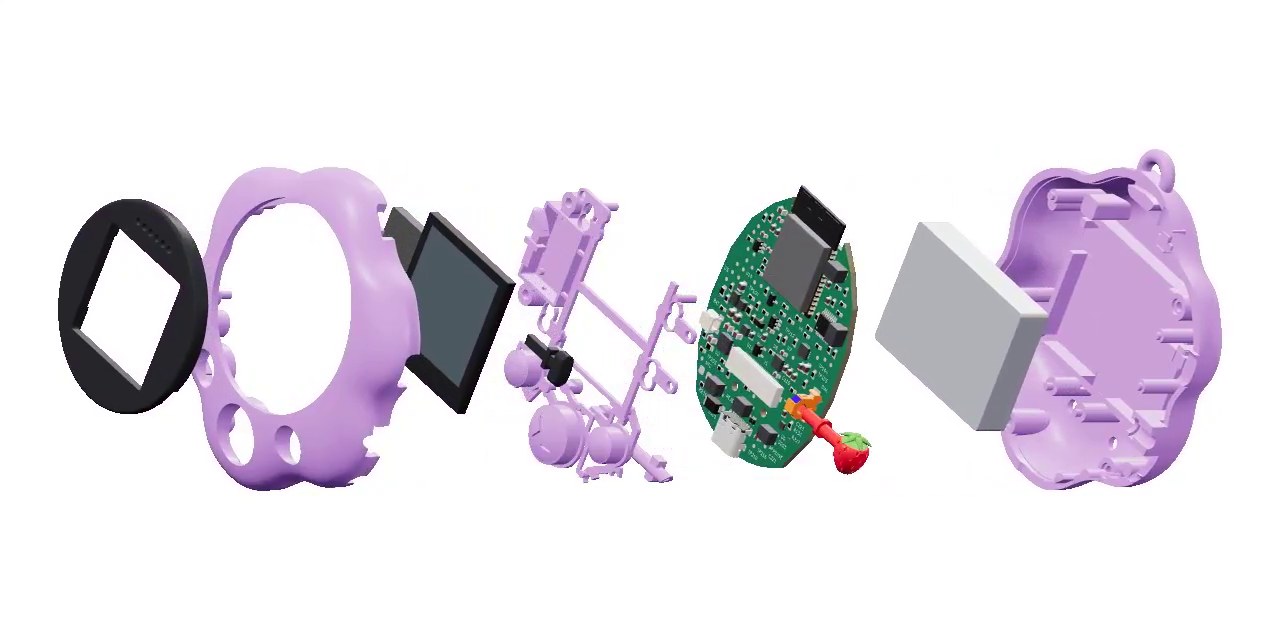
- Mechanical design: Astra designed the enclosure and the internal structures that hold the components in place.
- Electrical design: Astra selected the electrical components and designed the PCB, including component placement and connections, to fit inside the enclosure.
- UI and software: Astra designed the user interface and generated the firmware and software integrations that connect the device to Codex.
In OpenAI's video, a team member asks the device "Hey Codex, do I have any active agents right now?" and it offers to read them out.
Under a week, by two people
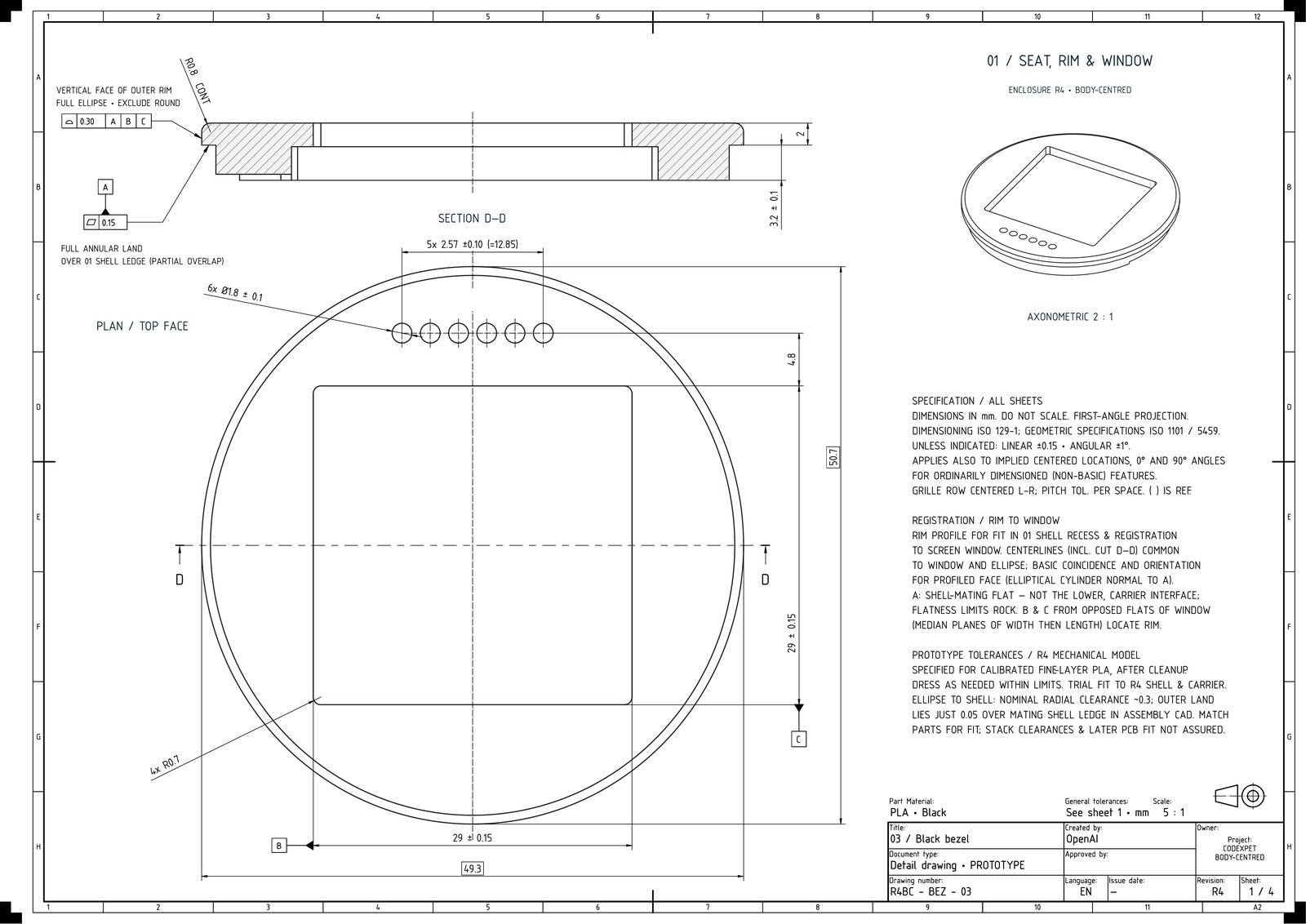
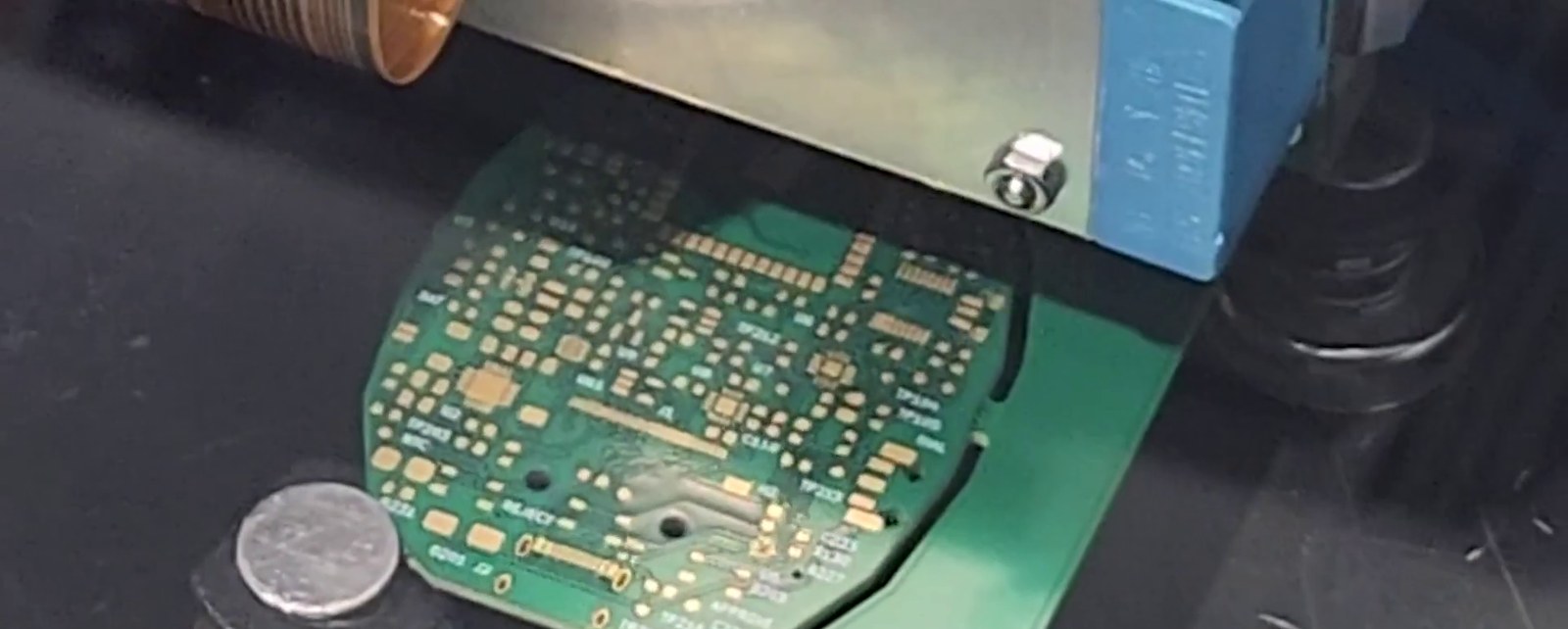
OpenAI says two team members designed the device with Astra in under a week, as a side project. A contract manufacturer then built a small batch of prototypes in under a month. For context on how much the Astra tier can do on a computer, see our explainer on GPT-6.1 Terra and OpenAI's computer-use models.
The catch: the factory still needed humans
OpenAI is clear that the design was not ready to build on the first try. Getting it ready for manufacturing still required several rounds of review and iteration. Astra did not consistently account for the manufacturer's production limits, tolerances or the details needed for assembly. OpenAI says these gaps show what future models need to do better. In other words, "no direct human edits" applied to the design files, not to the whole path from idea to finished product.
23x more tokens on OpenAI's own hardware teams
OpenAI's hardware and infrastructure teams use Codex and ChatGPT to create and revise CAD models, prepare manufacturing drawings, set up simulations and review designs, across robotics and compute infrastructure. Since February, model usage across those teams, measured in tokens, has grown 23-fold. If you want the bigger picture on OpenAI's agent push, read our coverage of Dots, OpenAI's always-on agents from DevDay.
BenchCAD 2.0: 0.875 vs 0.594
OpenAI also reports progress on BenchCAD 2.0, an evaluation that tests whether models can reconstruct 3D parts and assemblies and identify connections in circuit boards. A newer internal model scored an average of 0.875, compared with 0.594 for GPT-6 Astra at its highest reasoning setting. BenchCAD 2.0 is OpenAI's own benchmark, and the newer model has not been named or released. OpenAI adds that engineering involves much more than design, and calls the result early evidence that models can speed up iteration. For OpenAI's current public lineup and pricing, see our breakdown of GPT-6 Sol and Luna.
Chip Ganassi Racing and Mazda
OpenAI is testing these skills with a small group of industry collaborators whose engineers review model output for accuracy and practical use:
- Chip Ganassi Racing (expanded collaboration): workflows that turn 3D scans of existing parts into editable CAD models and 2D manufacturing drawings, useful when the original design files are missing. CGR engineers check the models and drawings for accuracy and manufacturability.
- Mazda (new research collaboration): OpenAI's research and Forward Deployed Engineering teams are working with Mazda's aerodynamics and crash-safety engineers, using airflow and structural simulations to explore vehicle designs while accounting for styling and cost. In one example, GPT-6 Astra helps model new nose shapes to reduce drag.
OpenAI is inviting engineers, engineering firms and software vendors in mechanical, electrical and electromechanical design to apply through its research collaboration form.
Why it matters
Software agents have moved fast in 2026. This is one of the first public examples of a frontier lab showing a model taking a physical product from requirements to a manufacturable prototype. The honest part of the story is the review loop: tolerances and assembly details are exactly where real hardware projects lose time, and that is still human work. For how other labs are building multi-step agents, see our piece on DeepSeek's Harness super-agent design.
Sources
Frequently asked questions
What device did OpenAI build with GPT-6 Astra?
A small handheld prototype for talking to Codex. OpenAI says GPT-6 defined the requirements and Astra designed its look, enclosure, internal structures, circuit board, user interface, firmware and the software integrations that connect it to Codex.
How long did it take?
Two OpenAI team members designed it with Astra in under a week as a side project, and a contract manufacturer built a small batch of prototypes in under a month.
Was it designed with no human involvement?
The test goal was no direct human edits to the design, but getting it ready for manufacturing still took several rounds of human review and iteration because Astra did not consistently account for production limits, tolerances and assembly details.
What is BenchCAD 2.0?
An OpenAI evaluation that tests whether models can reconstruct 3D parts and assemblies and identify connections in circuit boards. A newer internal model averaged 0.875 versus 0.594 for GPT-6 Astra at its highest reasoning setting.
Is the Codex device for sale?
No. OpenAI describes it as a test device and has not announced plans to sell it.
Which companies are working with OpenAI on engineering?
OpenAI expanded its collaboration with Chip Ganassi Racing on turning 3D scans into editable CAD and drawings, and announced a new research collaboration with Mazda on aerodynamics and crash-safety simulation.
From the blog
View all posts
Anthropic's Amended IPO Filing Explained: $17.0B Quarter, $895.4B Compute Bill, 15% Margin and Who Keeps Control
On November 2, 2026, Anthropic filed Amendment No. 1 to its S-1 for a Nasdaq listing under the ticker ANT. It adds Q3 2026 results: $17.0 billion of revenue, more than 11,900 customers paying $100K+, $895.4 billion of committed compute spend, a 15% adjusted operating margin, a $23.3 billion net loss and a share structure that keeps 50.1% of the vote with the founders.


DeepSeek's Super-agent Design Explained: Router, Workers, Event Triggers, the Cloud Split and the Catch
On November 1, 2026, the DeepSeek Harness team published "Exploring Super-agent Design", a blueprint for one always-on agent that works across chat, GitHub, email and CI, plus an MIT-licensed research prototype called dsh-superagent. Here is how the Router and Worker layers, event triggers, the cloud/state/machine split and the Watchdog fit together, what DeepSeek's tests showed and what is still unsolved.