ChatGPT Wallet Explained: How OpenAI Lets AI Agents Pay Without Seeing Your Card
On November 13, 2026, OpenAI launched ChatGPT Wallet, built with American Express, Mastercard and Visa. It lets dots, OpenAI's always-on agents, complete purchases for you: every checkout needs your approval plus Face ID or a fingerprint, and merchants receive a network payment token instead of your real card number. Here is how it works, who can use it and what businesses need to change.
What OpenAI launched on November 13, 2026
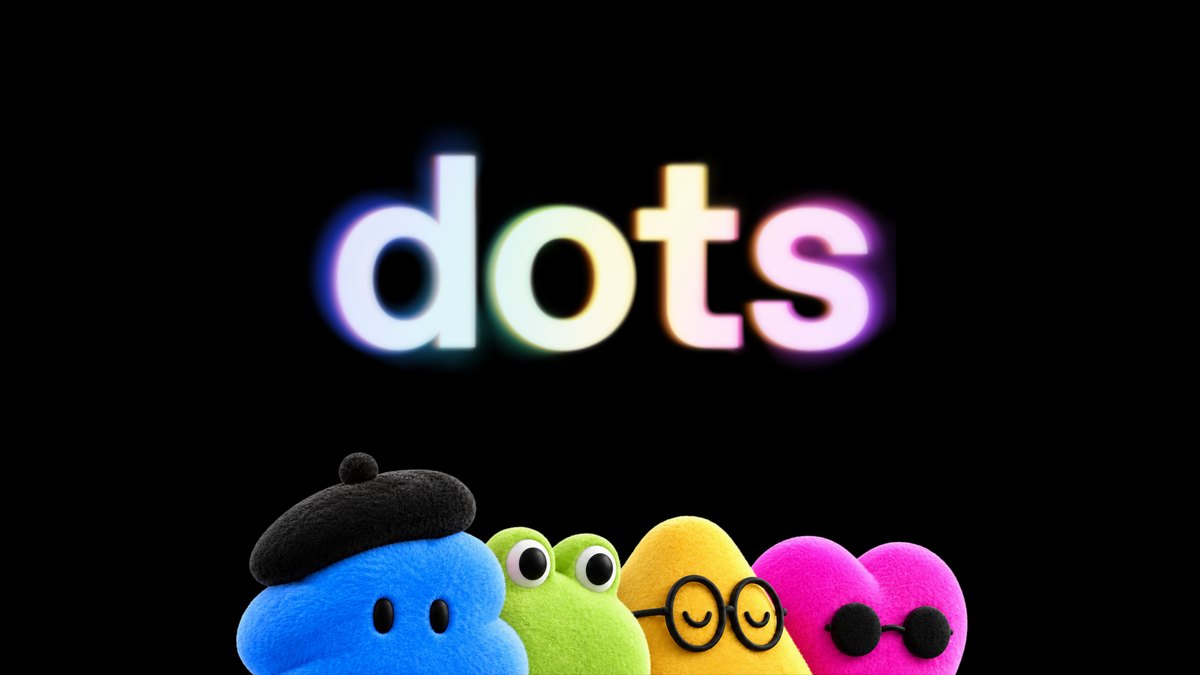
On November 13, 2026, OpenAI introduced ChatGPT Wallet, which it calls the first wallet that lets AI agents pay without access to your actual card details while requiring a security check for every purchase. It was built with American Express, Mastercard and Visa and starts inside dots, the always-on agents OpenAI unveiled at DevDay. OpenAI notes that 1.2 billion people use ChatGPT each week, many of them to research products and decide what to buy; Wallet is the step that lets the agent actually finish the checkout. This page is the long-form briefing behind the BSH Technologies Instagram carousel, with each claim linked to OpenAI's own pages.
How a purchase works, step by step
According to OpenAI's Help Center guide to making purchases with ChatGPT Wallet, the flow looks like this:
- Add a card once. You ask your dot, or open the Wallet section of Settings, and enter the card in a secure form rather than in chat.
- Let the agent shop. Ask something like "Help me find a new sweater" or "Book me a hotel for my trip to Chicago next weekend." When it is time to check out, the dot asks you to use Wallet.
- Review the request. You check the merchant, items, total, selected card and any shipping or recurring-payment terms.
- Approve with biometrics. You select Approve and confirm with Face ID, Touch ID or a fingerprint. If your current device cannot do that, a link or QR code moves approval to a supported phone.
- The dot finishes checkout and reports back. OpenAI stresses that "Ready to check out" means your approval is done, not that the merchant has accepted the order.
Each approval also creates a clear record of exactly what you authorised. The ChatGPT Wallet terms add that if a material detail changes before the order is submitted, you will be asked to approve the updated purchase.
Payment tokens: your agent never sees your real card
The core security idea is tokenisation. After you approve, the payment network issues a payment token, a stand-in card number with its own security code and expiry date. The merchant charges that token, the money comes from your chosen card, and neither the business nor the agent ever receives your actual card details. OpenAI says the number entered at checkout may therefore differ from the one printed on your card. Because the charge still runs on your existing card, you keep its rewards and protections for eligible disputes, for example when an item arrives defective, and banks and networks keep screening each transaction as usual.
Who can use ChatGPT Wallet today
The launch is deliberately narrow. Per the Help Center:
- Plan: ChatGPT Pro subscribers.
- Where: conversations with your dot only. Wallet is not available in regular Chat, Work or standalone Codex threads, and you need to set up a dot first.
- Who: adults 18+ living in the United States with a US billing address.
- Cards: eligible US-issued American Express, Chase, Mastercard and Visa cards. Chase cards must be added by the primary cardholder, and virtual cards cannot be added at launch.
- Devices: approving needs biometric verification such as Face ID or Touch ID on a supported device.
OpenAI says it is starting small to learn from real-world use and to work with businesses, banks and payment networks on compatibility and reliability before expanding.
What the card networks said
All three networks are named partners. In OpenAI's announcement, American Express calls Wallet its first Agentic Commerce Experiences integration, Mastercard says an agent making a purchase "should strengthen, not bypass, the trust built into payments", and Visa says consumers, businesses and banks "all need to trust the process". Reuters' launch report summarises the same partnership and rollout.
What comes next: spending limits and pre-approval
Today every purchase needs a fresh approval. Over time, OpenAI expects users to be able to delegate purchases entirely by setting clear parameters such as spending limits, purchase categories or time periods, and to pre-approve those purchases with enhanced safeguards built on today's biometric checks and authorisation records. The terms already describe the option to "grant ChatGPT the authority to approve each purchase in advance". That is the same always-on, act-for-you direction we have been tracking with Meta's Muse Wonder personal agents and Anthropic's proactive Claude Duet.
What merchants need to change
Alongside Wallet, OpenAI published a Commerce Partner Playbook. Existing checkout pages should work without a Wallet-specific integration (see Accept payments), but some sites may unintentionally block agents. The playbook's four starting points:
- Accurate product information: claim your business in ChatGPT, keep details current and upload a product feed with live pricing and availability.
- Agent access: configure your CDN or firewall to recognise signed requests using Web Bot Auth so verified ChatGPT agents are not blocked. Browser access needs no plugin or feed.
- Payments and risk: Wallet's tokens work with existing checkouts, but fraud systems can still flag legitimate agent purchases. OpenAI is working with fraud-prevention partners Forter, Riskified, Sardine and Signifyd and payment providers Adyen, Checkout.com and Stripe so their systems recognise them.
- Deeper integrations: build a plugin so agents can check availability or manage carts, or add WebMCP tools to your site. OpenAI's developer forum post also mentions providing a
continue_urlwhen a transaction has to move from a plugin into the browser.
If you are thinking about how much access an agent should get on your own machine as well as your wallet, our piece on macOS Full Disk Access for AI agents covers the same trade-off from the desktop side, and GPT-6.1 Terra shows how far OpenAI's computer-use agents have come.
What it means, and what is still unknown
Wallet answers the biggest objection to agent shopping, handing an AI your card number, with two old, proven payment ideas: tokenisation and strong customer authentication on every purchase. The interesting part is less the wallet than the plumbing: networks, fraud vendors and payment processors agreeing to treat a verified agent as a legitimate shopper. Open questions remain. OpenAI has not published fees or international timelines, merchant acceptance will depend on how quickly sites stop blocking agents, and it is the user who must catch an agent's mistake before tapping Approve; the terms say plainly that "AI systems can make mistakes".
Sources
- OpenAI: Introducing ChatGPT Wallet (Nov 13, 2026)
- OpenAI Help Center: Making purchases with ChatGPT Wallet
- OpenAI: ChatGPT Wallet terms
- OpenAI Developers: Commerce Partner Playbook
- OpenAI Developers: Accept payments
- OpenAI Developer Community: Introducing ChatGPT Wallet
- OpenAI: Introducing dots
- OpenAI: Introducing Businesses in ChatGPT
- Reuters via Investing.com: OpenAI launches ChatGPT Wallet
Frequently asked questions
What is ChatGPT Wallet?
A payment feature OpenAI launched on November 13, 2026 that lets dots, its always-on AI agents, complete purchases for you. It was built with American Express, Mastercard and Visa.
Does the AI agent see my card number?
No. After you approve a purchase, the card network issues a payment token with its own number, security code and expiry date, so neither the agent nor the merchant receives your actual card details.
Do I have to approve every purchase?
Yes, at launch. You review the merchant, items, total and card, then approve with biometrics such as Face ID or Touch ID. OpenAI expects to add rule-based delegation, such as spending limits and categories, later.
Who can use ChatGPT Wallet?
ChatGPT Pro subscribers in the US who are 18 or older, inside conversations with a dot, using eligible US-issued American Express, Chase, Mastercard or Visa cards.
Do I keep my card rewards?
Yes. Purchases are charged to your existing card, so you keep its rewards and protections for eligible disputes with merchants.
From the blog
View all posts
Gemini 4 Hydrogen Explained: Google's Fast Gemini 4 Model Beats Argon at $1.50 per Million Tokens
On November 12, 2026, Google released Gemini 4 Hydrogen, a fast, low-cost Gemini 4 model for everyday coding and agent work. It edges past Gemini 4 Argon on the Artificial Analysis Intelligence Index (51 vs 50), costs a flat $1.50/$7.50 per million tokens across a 1M context, finishes tasks 2.5x faster than Gemini 3.8 Flash and now powers Google Search for everyone.

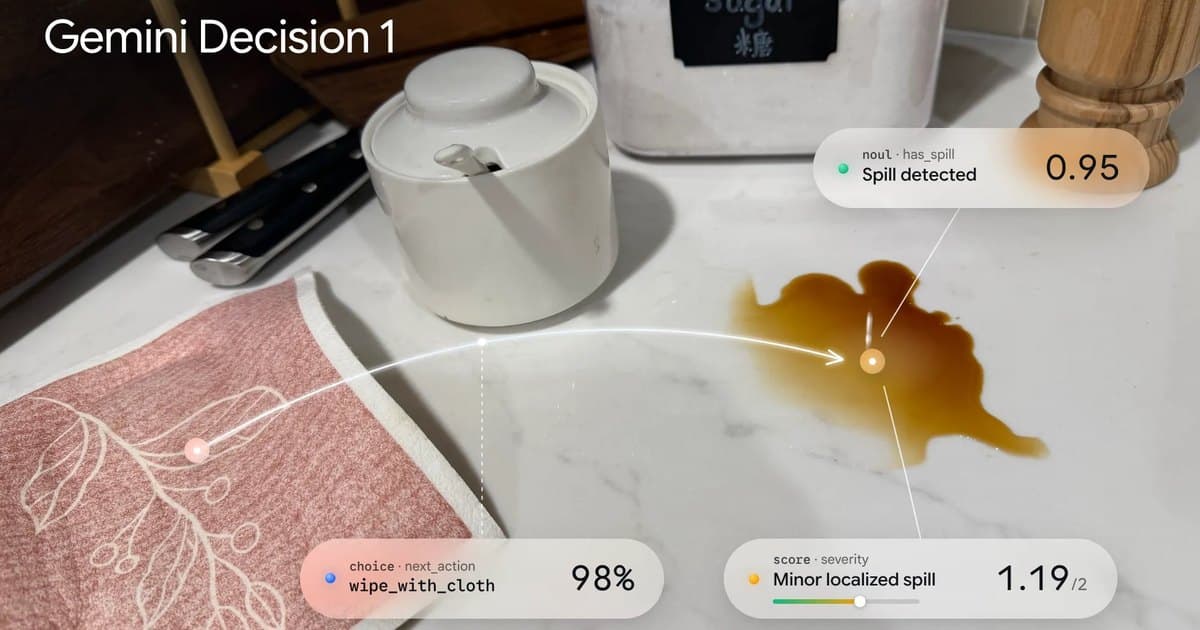
Gemini Decisions API Explained: Gemini Decision 1 Answers 1,000 Questions in One Pass for $0.10 per Million Tokens
On November 11, 2026, Google launched the Gemini Decisions API and its new Gemini Decision 1 model. Instead of writing text, it scores yes/no, multiple-choice and rubric questions against one multimodal input, up to 1,000 at a time, returning calibrated probabilities in 150 to 250 ms at $0.10 per million input tokens with no output-token charges.