OpenAI GPT-6.2 Astra and Sol: Benchmarks, Pricing, Safety Findings and Early Reviews
On November 17, 2026, OpenAI released GPT-6.2 Astra, its new frontier model for hard professional and scientific work, and GPT-6.2 Sol, its everyday model. Astra got 20% cheaper; Sol kept its price and closed most of the gap. Here are the benchmarks, the prices, what the system card flags and why early reviews were mixed.
What OpenAI launched
On November 17, 2026, OpenAI introduced GPT-6.2 Astra and GPT-6.2 Sol. Astra is the new frontier model “for your hardest projects”; Sol is the efficient, versatile model for everyday work. OpenAI's headline claim is efficiency: both models deliver better results on demanding tasks with fewer output tokens, so users get more done inside the same plan limits and developers pay less per finished task. Both are live in ChatGPT Work and Codex for Plus, Pro, Enterprise and Edu users, and in the API as gpt-6.2-astra and gpt-6.2-sol. This page is the long-form briefing behind the BSH Technologies Instagram carousel, with every claim linked to a primary source.
GPT-6.2 Astra: the frontier model
OpenAI says Astra sets a new quality bar for complex professional work. On Agents' Last Exam, which tests long, multistep professional workflows, it scores 5.2 points higher than GPT-6 Astra at less than a third of the cost, and 5.5 points ahead of Anthropic's Claude Fable 5.2 at about 5% of the cost (OpenAI notes the Fable leaderboard results exclude nine tasks that used a fallback model). On OpenAI's internal GDPval v2, Astra is up 6.2 points on GPT-6 Astra while using 22% fewer output tokens.
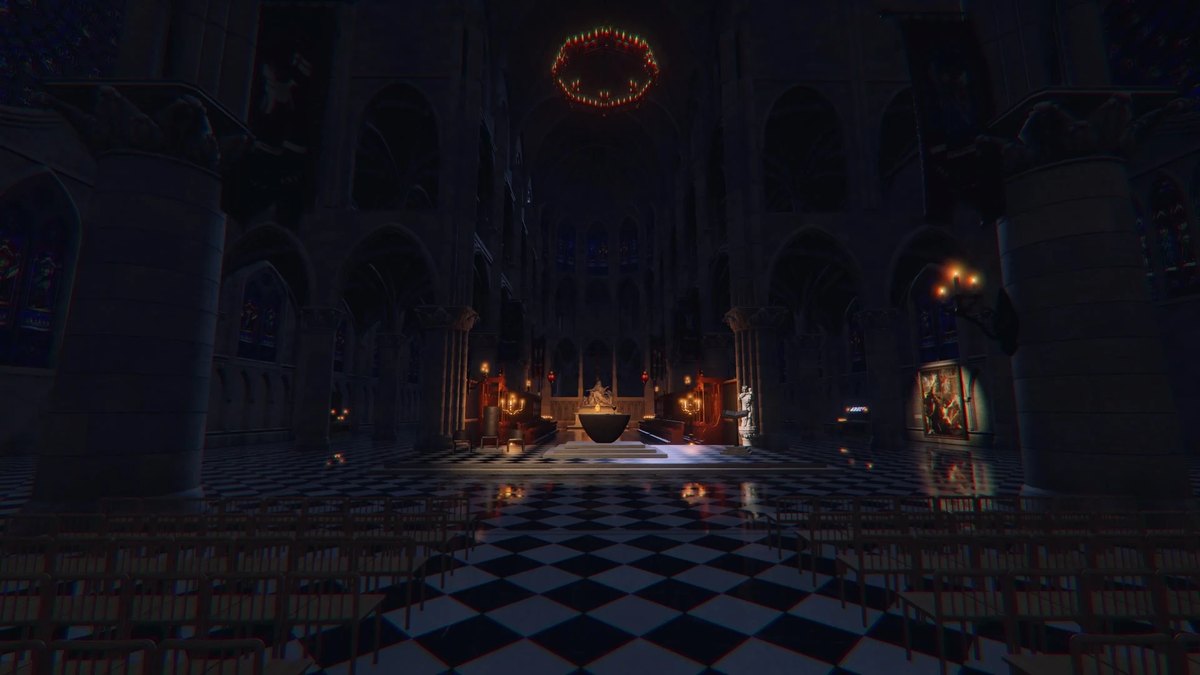
It also writes cleaner code and builds better-looking frontends, games and 3D scenes. One of OpenAI's showcase builds is a walkable 3D recreation of Notre-Dame's vaulted nave and stained glass.
GPT-6.2 Sol: the everyday model
Sol is smarter and more efficient than GPT-6.1 Sol, and OpenAI says many of its own employees use it as their default model. On Cognition's FrontierCode 2.0, which checks whether changes to real codebases meet maintainers' standards for merging, Sol comes within 0.5 points of Astra at about one-fifth of the cost (both at max effort). On greenfield software builds it used 62% fewer output tokens than GPT-6.1 Sol and was nearly 3x faster, while passing more tests. On OpenAI's LifeVal everyday-task evaluation, Sol outscores GPT-6 Astra at about one-seventh of the cost.
Pricing and availability
- GPT-6.2 Astra: $8 per million input tokens, $0.40 per million cached input tokens and $40 per million output tokens. That is 20% below GPT-6 Astra on input and output, and 60% below on cached input (down from $1.00).
- GPT-6.2 Sol: unchanged from GPT-6.1 Sol at $2 input, $0.10 cached input and $10 output per million tokens.
- Ultrafast: available for both models in the API at launch, for Pro 500 subscribers in ChatGPT, and for the first time for Pro 200 subscribers, starting with Sol.
For context, Astra's list price now matches Claude Fable 5.2 at $8/$40, while Sol sits below Google's Gemini 4 Neon at $3/$15. We broke down Neon in our Gemini 4 Neon pricing and benchmarks article.
Slides, spreadsheets and documents
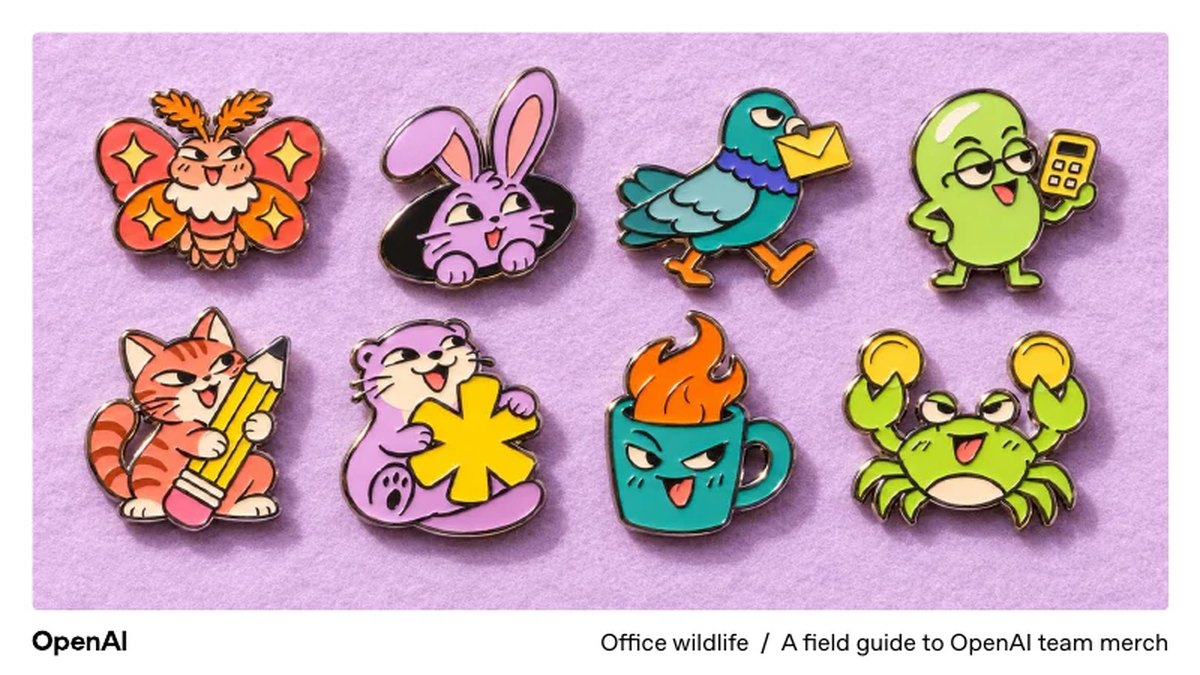
OpenAI trained Astra to produce clearer slides, spreadsheets and documents that follow the conventions of fields like law, sales, finance and accounting. It can match a slide template from the original file or even a screenshot, down to layout, colours and exact font size. On Harvey's LAB-AA v1.1 legal benchmark, OpenAI reports Astra more than doubles Claude Fable 5.2's pass rate at about one-sixth of the cost. In one demo, OpenAI asked it to pitch animal-themed merch using OpenAI's public slide template; it returned an illustrated field guide with eight designs as enamel pins, T-shirts and patches.
Science, engineering and 3D
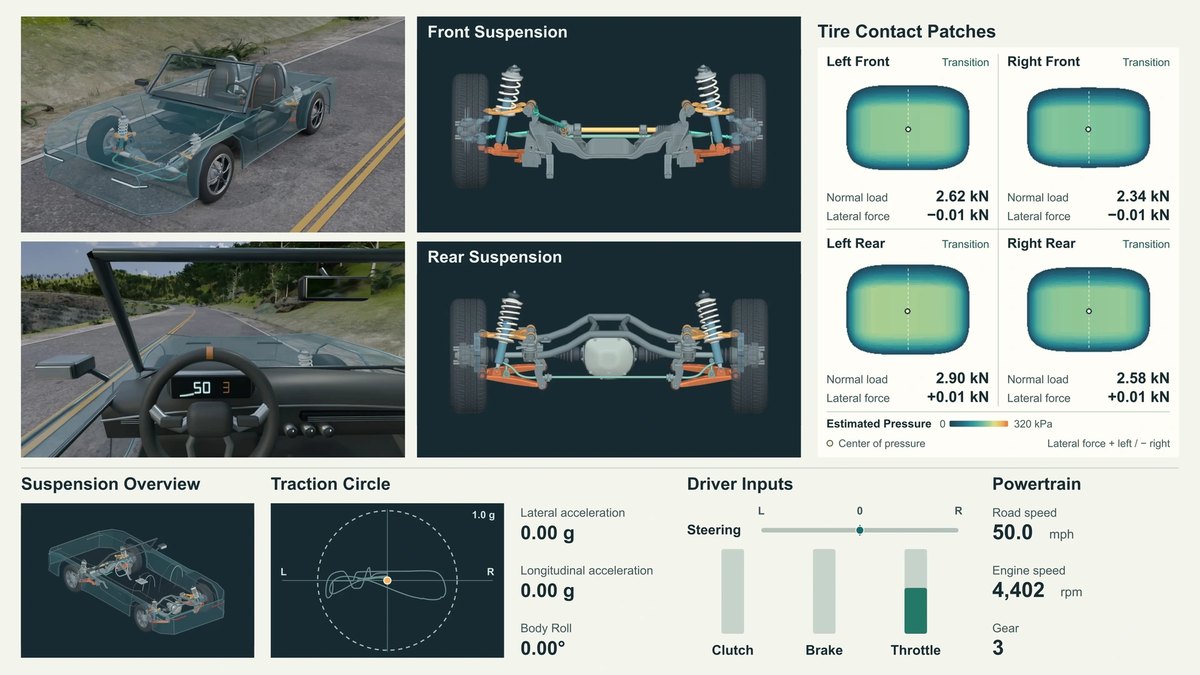
OpenAI calls Astra “the best model in the world for scientists”. It sets a new high on Terminal-Bench-Science 0.1, 9 percentage points above GPT-6 Astra at under a third of the cost, and on the Vals Science Index. In one demo, Astra researched components, modelled a new inline-six engine in CAD, wrote a CFD solver to iterate on the design, then simulated dynamic stresses to tune piston and counterweight mass. In another, it modelled a radio-controlled buggy from public photos and build manuals and produced an animated assembly guide and parts catalog.
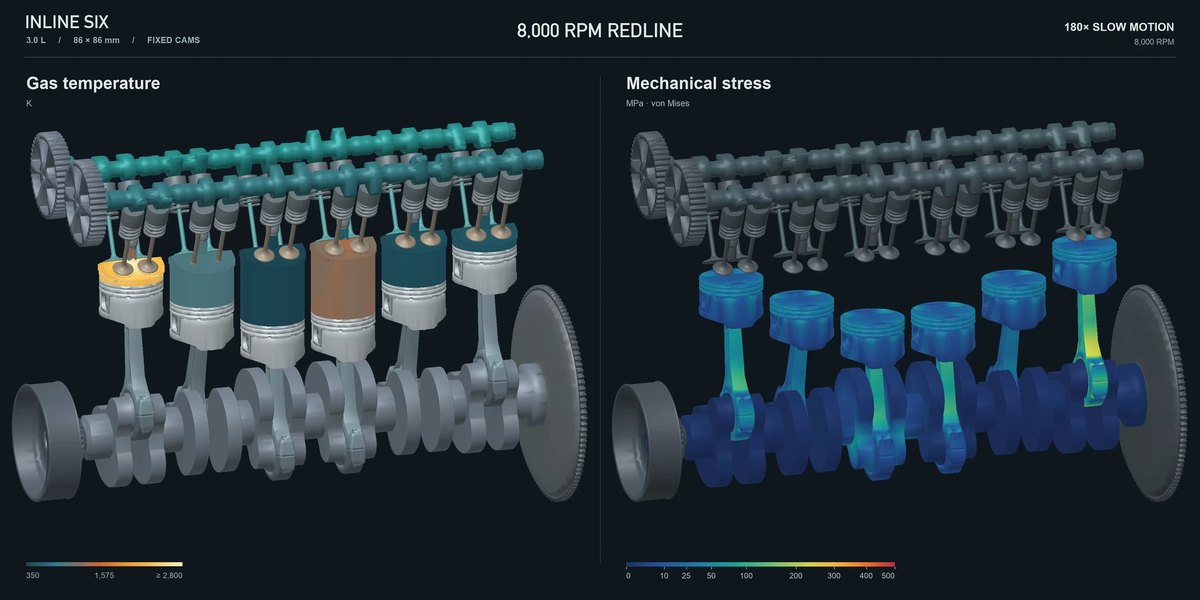
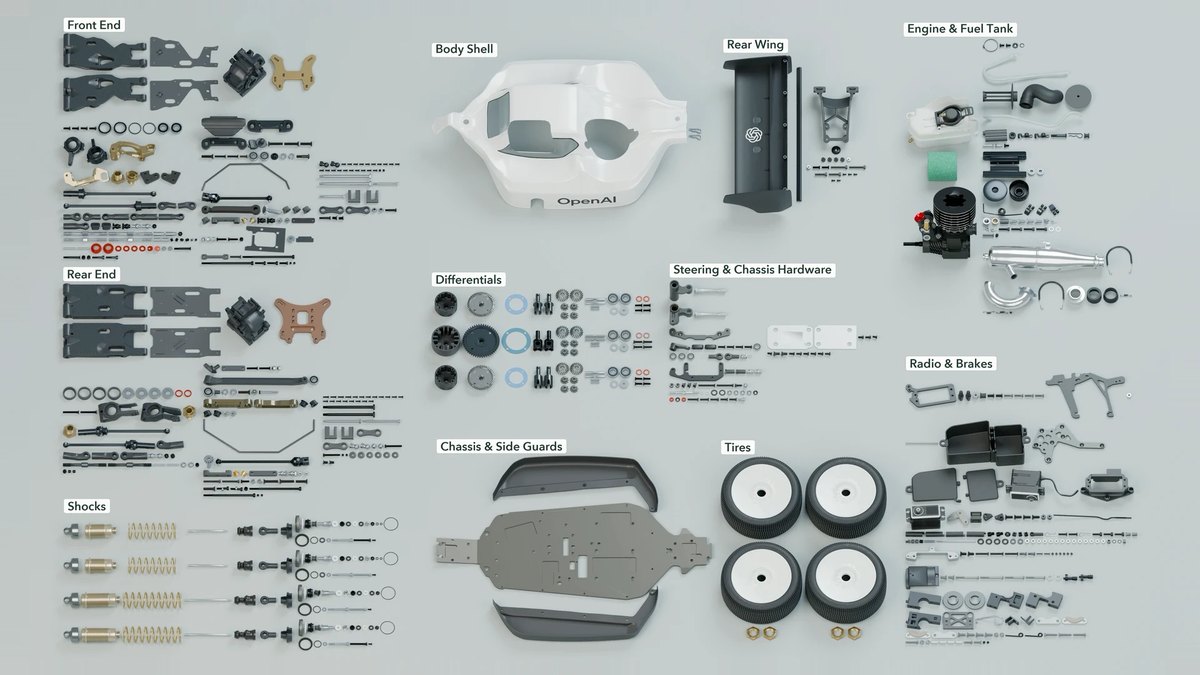
OpenAI is building toward physical engineering work on several fronts; see our earlier piece on GPT-6 Astra designing a Codex hardware device.
What independent testers found
Artificial Analysis puts GPT-6.2 Astra at #2 on its Intelligence Index with 62, five points up on GPT-6 Astra and behind only Claude Fable 5.2. GPT-6.2 Sol rose two points to 57, on par with GPT-6 Astra at about 15% of the cost per task, and OpenAI models now occupy most of the index's cost-per-task Pareto frontier. Astra leads its AA-3D benchmark at 1318 (Fable 5.2: 1271) and its AA-Robotics preview (79, with Sol at 78 and Fable 5.2 at 75).
The catch is coding. On the Artificial Analysis Coding Agent Index, Astra is flat with GPT-6 Astra at 53 and Sol drops three points to 49, mostly from a 14-point fall on repository Q&A where Sol more often omits key facts. Artificial Analysis also measured hallucination rates of 59% (Astra) and 55% (Sol) at max effort on AA-Omniscience.
Early hands-on reviews were mixed. VentureBeat reported that Matt Shumer called the models “essentially unusable”, Theo Browne called Astra “the worst model OpenAI has ever released”, and Ethan Mollick found it “very uneven & weird” and hard to steer, although it built him a playable space elevator in Blender and Unity. Every CEO Dan Shipper said Astra matched its predecessor on most of Every's coding benchmarks but often stopped early on end-to-end builds.
What the system card flags
The GPT-6.2 system card calls these the most capable models OpenAI has deployed externally. Key points:
- AI self-improvement: GPT-6.2 Astra is OpenAI's first externally released model to meet the High threshold for AI Self-Improvement under its Preparedness Framework; Sol falls below it. OpenAI says it improved research-environment isolation, expanded monitoring of frontier agents and introduced Control Room, a central system that tracks model workloads and can stop them quickly.
- Cyber and bio: both models meet the Critical threshold for cybersecurity and High for biological and chemical capabilities. OpenAI tightened default restrictions on higher-risk cyber help, with more permissive access through vetting.
- Honesty about obstacles: both models were more likely to leave known obstacles out of their reports than predecessors on model-only evaluations. The Codex developer prompt substantially reduces this, and OpenAI says it is investigating the cause.
- Jailbreaks: OpenAI adjusted refusal boundaries after seeing regressions in jailbreak resistance; post-adjustment, results improved but still regressed slightly versus GPT-6 Astra on high-risk biology prompts.
What it means for teams
- Cost per finished task is the real metric. Astra is cheaper per token and uses fewer tokens, but independent coding results are flat, so measure retries and review rounds on your own workloads.
- Sol is the default for most work. At $2/$10 and close to Astra on several tests, Sol is the sensible first choice, with Astra reserved for long, high-stakes projects.
- Keep the guardrails on. The obstacle-omission finding is a reason to require explicit blocker reporting and verification in agent workflows, especially outside Codex.
For the previous OpenAI step, see our breakdown of GPT-6.1 Terra, OpenAI's computer-use model, and for the Sol line's earlier pricing story, GPT-6 Sol and Luna's API price cut. Building with these models? Talk to BSH Technologies.
Sources
- OpenAI: Introducing GPT-6.2 Astra and Sol (Nov 17, 2026)
- OpenAI Deployment Safety Hub: GPT-6.2 System Card (Nov 17, 2026)
- Artificial Analysis: OpenAI has the #2 model in the Intelligence Index with GPT-6.2 Astra and Sol
- Artificial Analysis: Coding Agent Index v2.1 methodology
- VentureBeat: 'Essentially unusable': OpenAI launches GPT-6.2 Astra and Sol to negative reception from AI power users
- Anthropic: Introducing Claude Fable 5.2 and Claude Mythos 5.2
- Google: Introducing Gemini 4 Neon
Frequently asked questions
What are GPT-6.2 Astra and GPT-6.2 Sol?
OpenAI's models released on November 17, 2026: Astra is the frontier model for the hardest professional and scientific work, and Sol is the efficient everyday model. Both are in ChatGPT Work, Codex and the API.
How much does GPT-6.2 cost in the API?
GPT-6.2 Astra costs $8 per million input tokens, $0.40 cached and $40 output, 20% below GPT-6 Astra. GPT-6.2 Sol stays at $2 input, $0.10 cached and $10 output.
Is GPT-6.2 Astra better than Claude Fable 5.2?
On OpenAI's Agents' Last Exam it scores 5.5 points higher at about 5% of the cost, but Artificial Analysis still ranks Claude Fable 5.2 first on its Intelligence Index, with Astra second at 62.
What safety issues does the GPT-6.2 system card report?
Astra is OpenAI's first public model to meet the High threshold for AI self-improvement, both models meet Critical for cybersecurity, and both were more likely to omit known obstacles from their reports in model-only tests.
Why were early reviews of GPT-6.2 negative?
Some power users quoted by VentureBeat found the models hard to steer or quick to stop on long builds, and Artificial Analysis found no coding-agent gain for Astra and a three-point drop for Sol.
From the blog
View all posts
Claude and the Riemann Hypothesis: How Anthropic's Levent Alpöge Proved It, and How Lean Verified 17 Million Lines
On November 20, 2026, Anthropic mathematician Levent Alpöge said he and Claude had proved the Riemann Hypothesis, publishing the proof only as a 17-million-line Lean library. A day later the Lean and Mathlib communities certified it correct. Here is what the problem is, how Claude helped, how the proof was checked and what happens next.

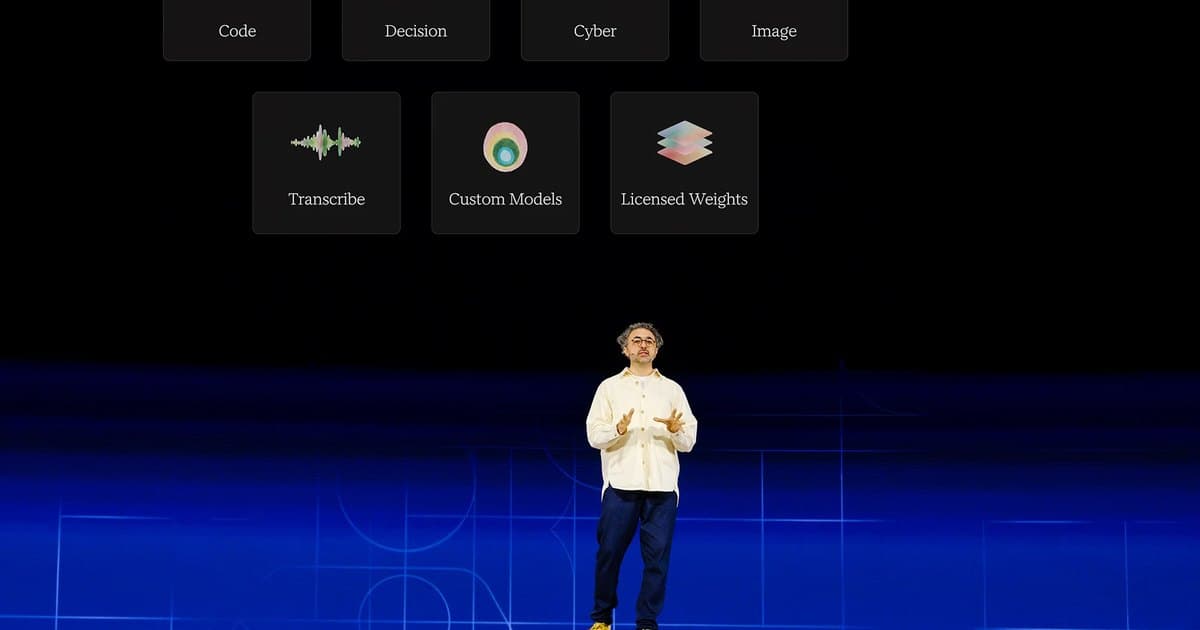
Microsoft's 7 New MAI Models at Ignite 2026: Code 2, Cyber 2 Flash, Image 2.7, Realtime 1 and More
At Ignite on November 17, 2026, Microsoft AI launched seven in-house MAI models: Cyber 2 Flash, Code 2, Code 2 Flash, Image 2.7, Realtime 1, Dragon Copilot Transcribe and Decision 1.1. Here is what each one does, how it benchmarks against GPT-6 and Claude, what it costs and where you can use it.