XPENG AI Day 2026: The IRON Humanoid and the Turing Physical AI Architecture
At its eighth AI Day in Guangzhou on November 25, 2026, XPENG unveiled the Turing Physical AI Architecture (VLA 3.0), one AI stack shared by its cars and robots, and gave the IRON humanoid its public debut. Here is how the three-system design works, IRON's specs, the car and robotaxi timeline, and what is still unproven.
What XPENG announced
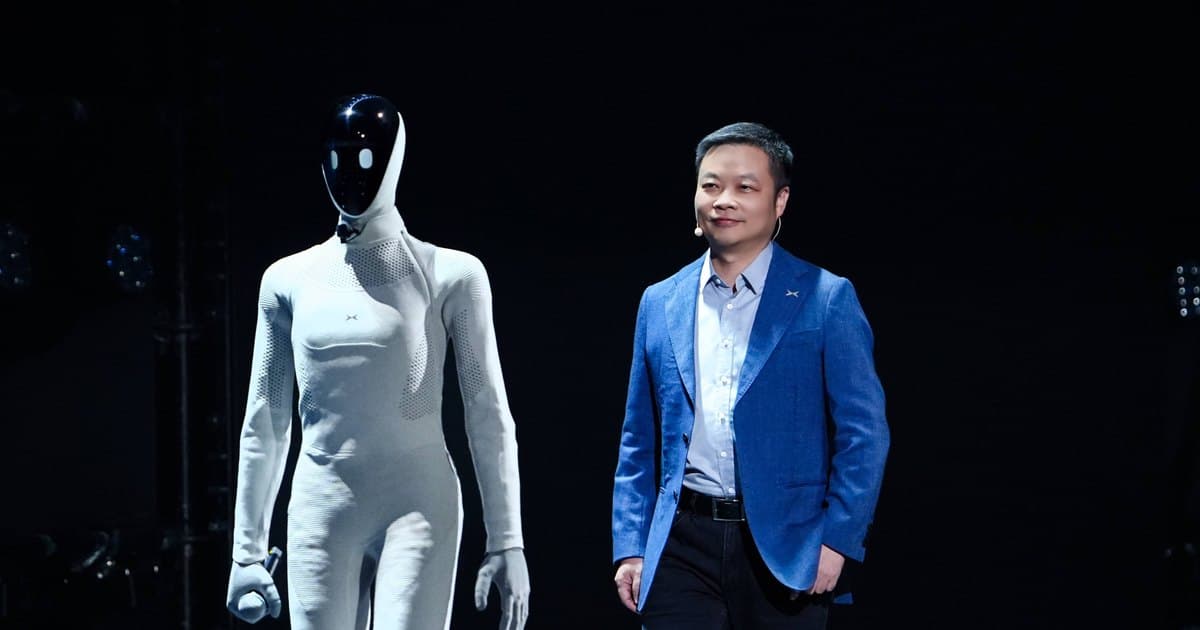
On November 25, 2026, at its eighth AI Day in Guangzhou, XPENG unveiled the Turing Physical AI Architecture (VLA 3.0), a framework that connects AI cognition, real-time decision-making and physical execution across its intelligent vehicles and humanoid robots. The event, themed "ORIGIN", also gave XPENG's general-purpose humanoid robot IRON its first public debut. This page is the long-form briefing behind the BSH Technologies Instagram carousel, with every claim linked to XPENG's own announcements.
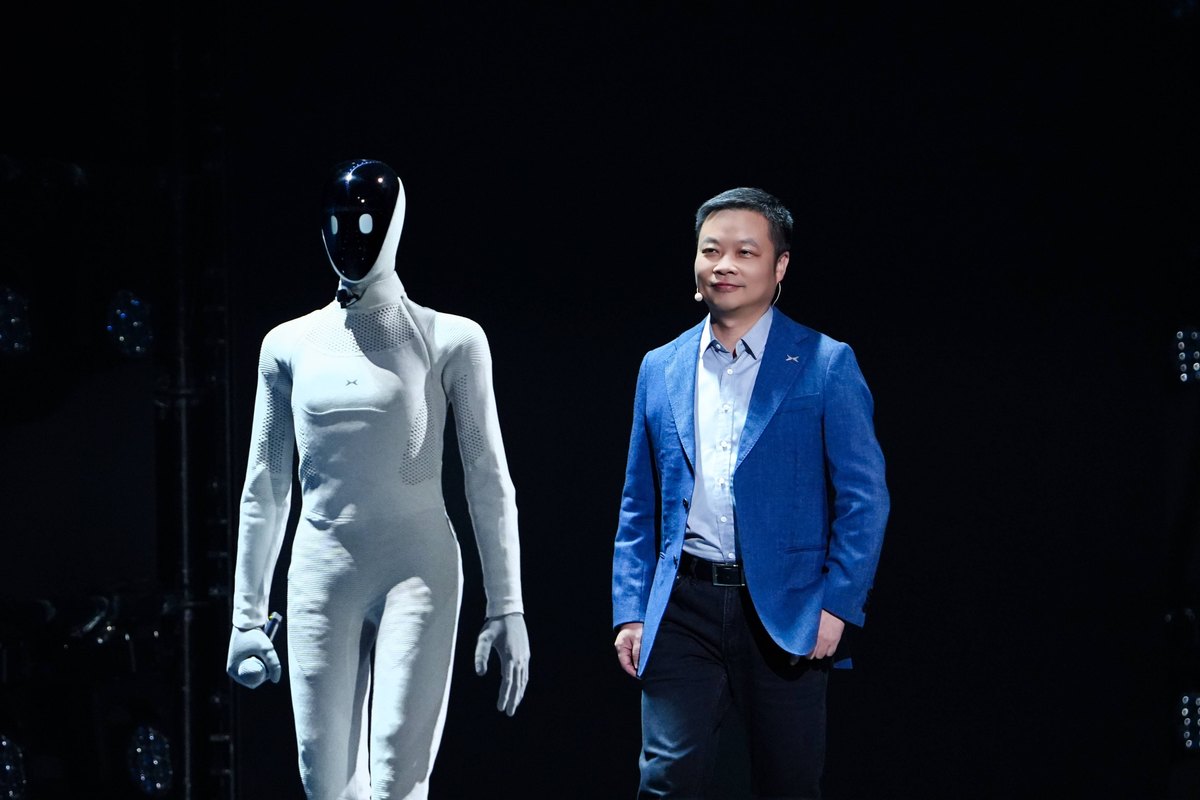
The thesis is that the next jump in physical AI comes from developing intelligence and the physical body together, rather than only making the "brain" smarter. "The brain and body must evolve together," said He Xiaopeng, XPENG's chairman and CEO. To do that, XPENG says it builds the full stack itself: proprietary chips, AI models, perception, software, control systems and hardware.
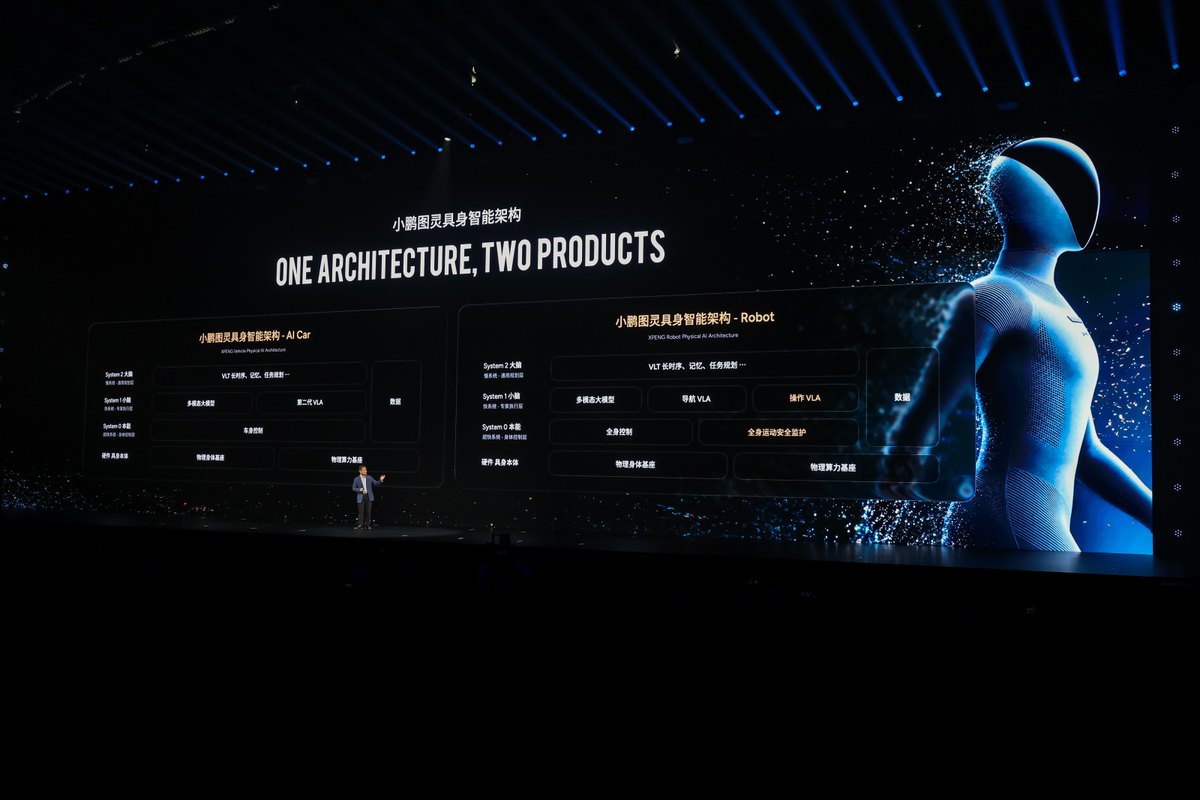
The Turing Physical AI Architecture: three systems, three speeds
The architecture splits the work into three layers that run at different speeds:
- System 0 (ultra-fast): brings physical body control into the AI loop, coordinating power, energy, communication and actuation, and feeding the body's state back to the AI.
- System 1 (fast): powered by XPENG's VLA 2.0 model, it is the real-time response layer that turns what the machine perceives into actions.
- System 2 (slow): higher-level cognition that combines vision-language task planning with an Agent Runtime state machine to interpret goals and plan multi-step tasks.
The results of every action flow back into the loop, so the system can keep adapting. Cars and robots share the same computing, data infrastructure, control and safety technology, with specialised capabilities on top for each kind of hardware.
Training that speeds itself up
XPENG also said the latest VLA 2.0 model, version 6.4.0, supports agent-driven, closed-loop autonomous training, which it says makes overall training 10 to 12 times faster and enables recursive self-improvement and model self-distillation. The days before AI Day added two more pieces of the same stack: X-World 1.6, a world model that turns recorded real roads into repeatable simulated tests (XPENG reports a 20.9% lower trajectory endpoint error than X-World 1.0), and WorldGPT, one model that learns across six kinds of machines, from cars and drones to robot arms and humanoids.
IRON: the humanoid robot
IRON is developed with the same brain-and-body approach. XPENG's figures:
- 76 degrees of freedom.
- More than 1,500 tactile sensing points, covering more than 80% of key body areas.
- Three proprietary Turing AI chips running onboard AI models and whole-body control.
- Autonomous navigation, tasks created by voice or app, autonomous charging, fault reporting and health monitoring.
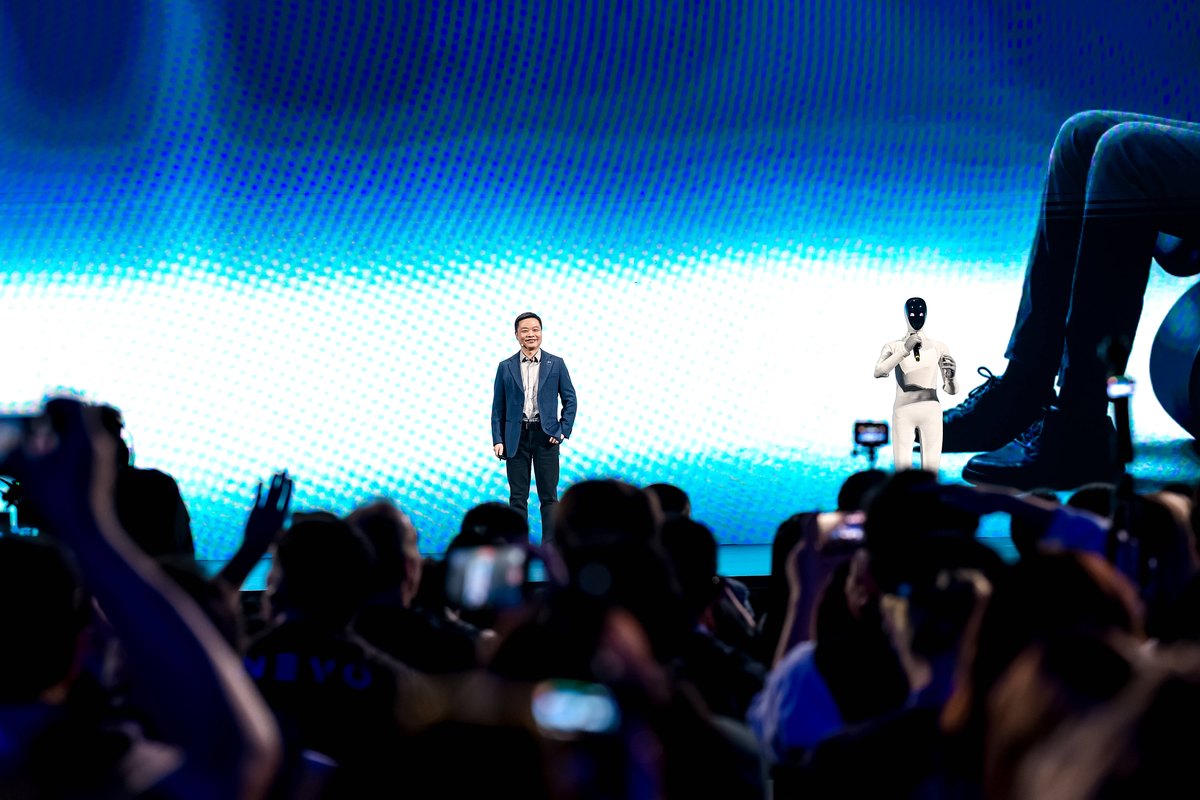
The timeline is concrete: IRON starts training as a store assistant in XPENG retail stores in Q1 2027, with an official public release targeted for Q2 2027. To feed it, XPENG has set up a Robot Data Factory covering more than 250 scenarios and 15 job categories, and an automated assembly line with more than 600 AI holographic quality-inspection items and over 1,000 tests for complete robots and parts. XPENG is also building an open robotics ecosystem where partners can download capability packages and develop new skills. It plans to make money from hardware sales, software subscriptions and that open platform, and is exploring token-based subscriptions. Humanoids are moving fast across the industry: compare Google DeepMind's approach in our Gemini Robotics 2.5 and Apptronik Apollo 2 breakdown.
The car as a robot
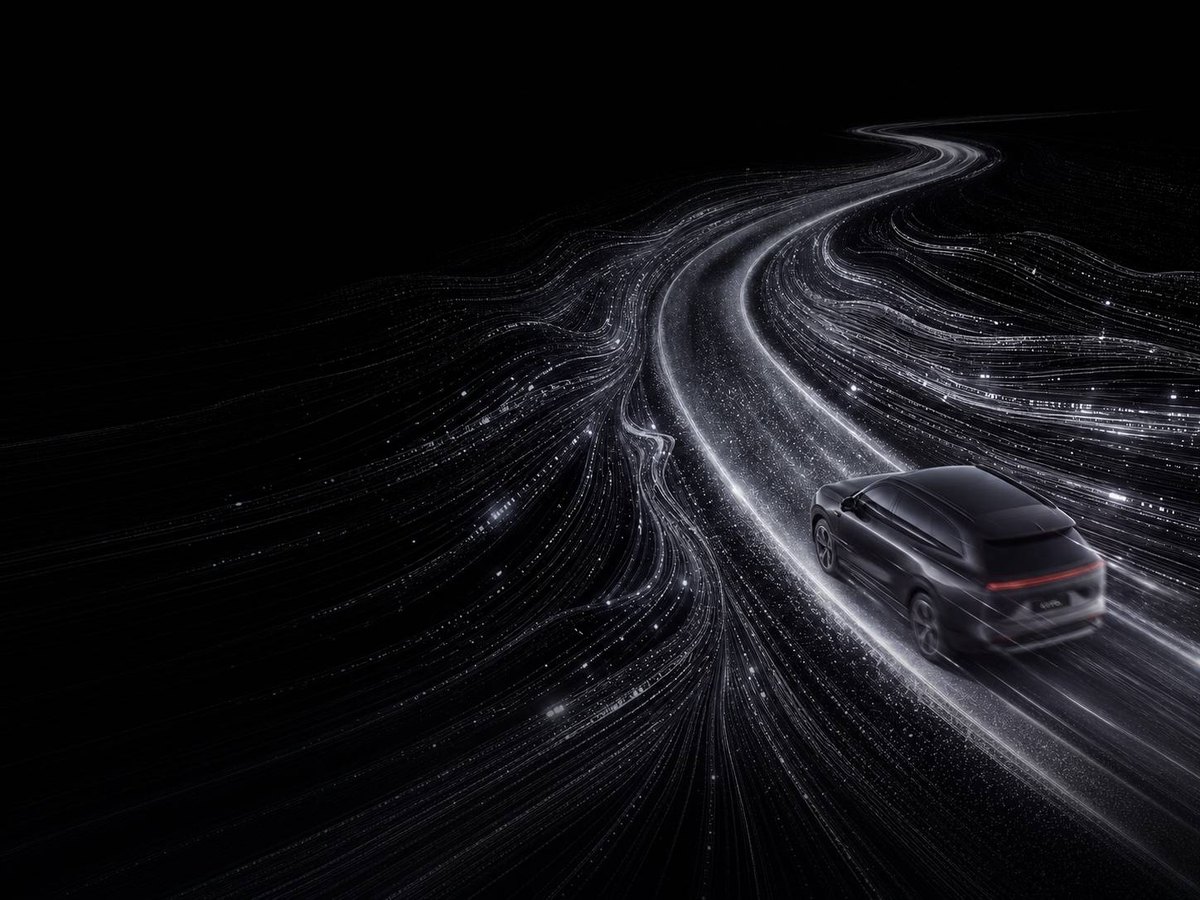
XPENG is pushing AI beyond driving into the whole vehicle. Its X-VMC 2.0 motion-control system links propulsion, braking, steering and suspension so AI can influence driving, safety, comfort and energy use.
- Turing AI Co-driving debuts with VLA Adaptive Deceleration, which reads the road scene to tune deceleration and energy recovery when the driver lifts off. In XPENG's urban congestion tests it added 12.4% usable range compared with energy recovery off. The first OTA rollout is scheduled for December 2026.
- AEX 360-degree active avoidance, still in development, coordinates vehicle motion to respond to collision risks.
- Since the VLA 2.0 rollout, XPENG reports a 13.93% reduction in vehicle accident claims in China.
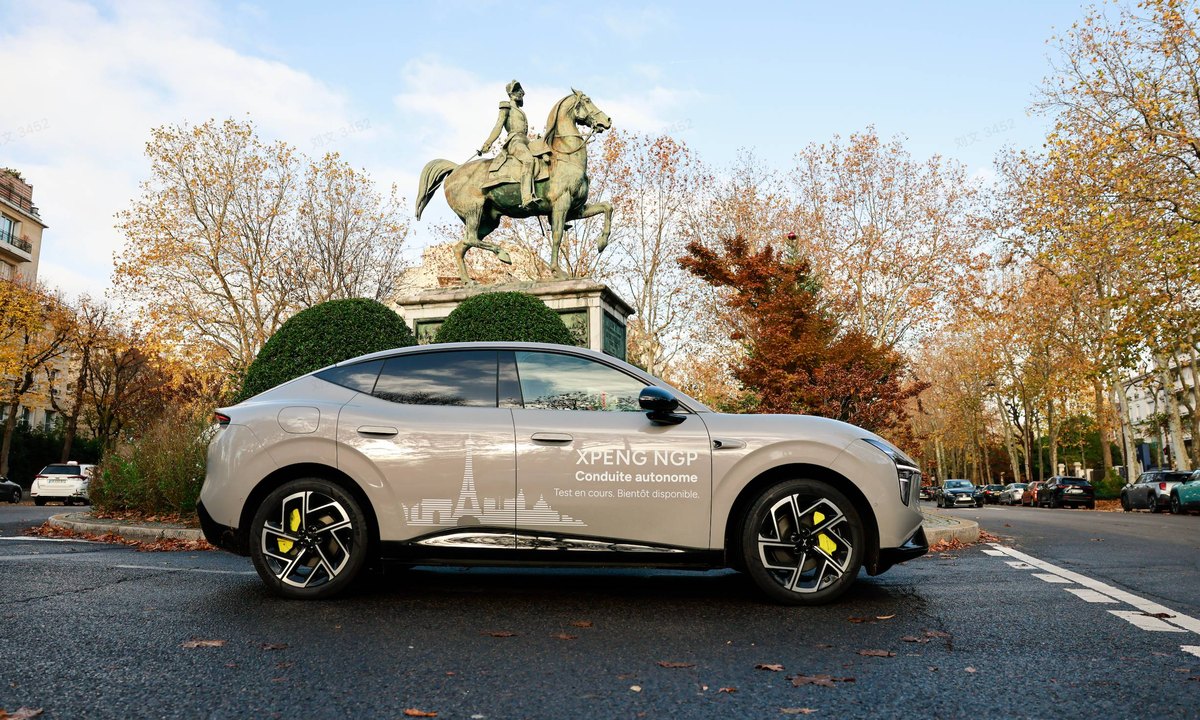
Its NGP assisted-driving system, also powered by VLA 2.0, has been localised in Germany, the Netherlands and France. In November XPENG opened public urban NGP test rides at its Paris store, the first Chinese automaker to offer that at a European retail location, and it aims to start the first global NGP rollout in the first half of 2027, subject to regulatory approval.
Robotaxis and flying cars
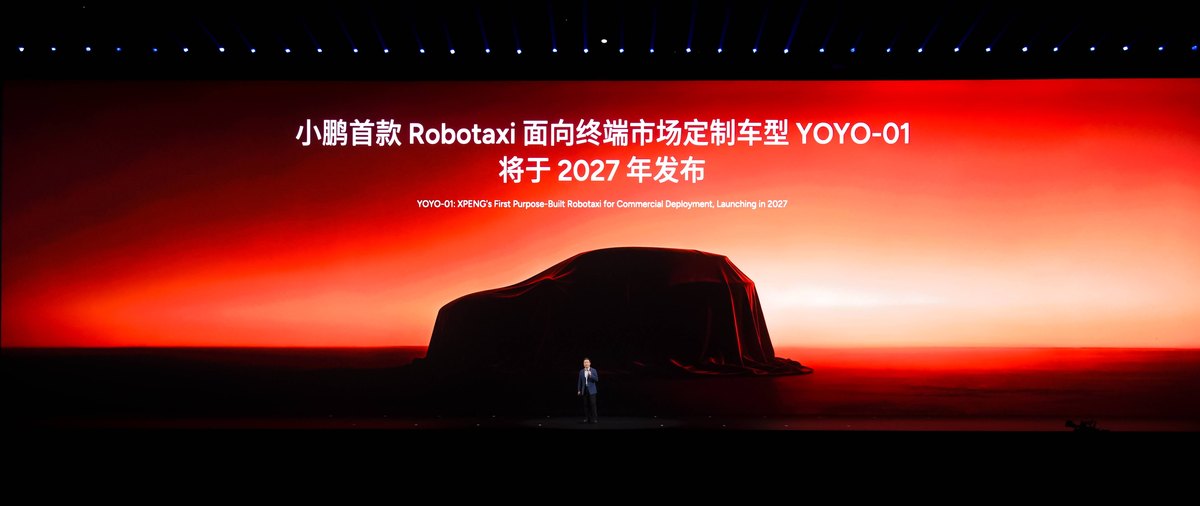
XPENG's Robotaxi programme went from staffed to driverless road testing in eight months and won an L4 demonstration operation qualification in Guangzhou 11 months after the business was announced. Driverless passenger tests have begun, with demonstration operations in selected areas planned by the end of 2026. Its first purpose-built robotaxi for commercial deployment, YOYO-01, is due in 2027, and XPENG positions itself as a supplier of vehicles and autonomy to operating partners.
In the air, XPENG ARIDGE is moving its manned eVTOL toward airworthiness certification, having received Type Inspection Authorization documentation and completed certification flight testing, and is working with partners in the UAE on a low-altitude regulatory sandbox.
What is still unproven
- These are XPENG's own numbers. The 10 to 12 times training speed-up, the 12.4% range gain and the 13.93% drop in accident claims come from the company and have not been independently verified.
- IRON is not shipping yet. Store-assistant training starts in Q1 2027 and public release is a Q2 2027 target; real-world reliability, safety and price are open questions.
- Regulation sets the pace. NGP's global rollout, robotaxi operations and eVTOL certification all depend on approvals in each market.
What it means for teams building with AI
The pattern is the same one we see in software agents: a fast layer that acts, a slow layer that plans, and a feedback loop that measures every result. XPENG is applying it to bodies instead of browsers. For how frontier labs are pushing AI into physical products, see our look at OpenAI Astra and Codex engineering a device, and for the reasoning models that power planners like System 2, our Gemini 4 Neon breakdown. Planning an AI, automation or IoT product of your own? Talk to BSH Technologies.
Sources
- XPENG: Turing Physical AI Architecture and IRON humanoid debut at AI Day (Nov 25, 2026)
- XPENG: WorldGPT, a single AI model that learns across cars, robots and drones (Nov 24, 2026)
- XPENG: X-World 1.6 turns real roads into repeatable AI driving tests (Nov 23, 2026)
- XPENG: public advanced ADAS test rides at its Paris store (Nov 23, 2026)
- XPENG newsroom
Frequently asked questions
What did XPENG announce at AI Day 2026?
On November 25, 2026, XPENG unveiled the Turing Physical AI Architecture (VLA 3.0), a shared AI stack for its cars and humanoid robots, gave its IRON humanoid its public debut, and set dates for IRON, the YOYO-01 robotaxi and new driving features.
How does the Turing Physical AI Architecture work?
It has three layers: System 0 handles ultra-fast body and hardware control, System 1 uses the VLA 2.0 model for real-time reactions, and System 2 plans tasks with vision-language reasoning and an Agent Runtime. Results from each action feed back into the loop.
What are the IRON humanoid's specs?
XPENG says IRON has 76 degrees of freedom, more than 1,500 tactile sensing points covering over 80% of key body areas, and three proprietary Turing AI chips for onboard models and whole-body control.
When will IRON be available?
IRON begins training as a store assistant in XPENG retail stores in Q1 2027, with its official public release targeted for Q2 2027.
When does the YOYO-01 robotaxi launch?
XPENG says YOYO-01, its first purpose-built robotaxi for commercial deployment, will be released in 2027. Its robotaxi programme already holds an L4 demonstration qualification in Guangzhou, with demonstration operations planned by the end of 2026.
From the blog
View all posts
OpenAI Says GPT-6 Can Design Proteins On Its Own: The Lab Results
On November 24, 2026, OpenAI published evidence that its GPT-6 models can design protein structures and amino-acid sequences using only reasoning and code, without specialised biology models. Partner lab Onava tested the designs: 35 of 322 mini proteins bound their targets, 70% of redesigned antibody loops kept binding, and docking beat specialist tools. Here is every number, and where the models still fall short.


Claude Ship: Anthropic's AI Agents That Review, Fix and Approve Your Pull Requests
On November 23, 2026, Anthropic launched Claude Ship, a set of GitHub agents that take a pull request through code review, fixes and an approval decision. Code Review is generally available; PR Steward and Claude Approvals are in beta, and a new /ship command brings it to Claude Code. Here is how each agent works, what it costs and the risks to plan for.