Claude Fable 5.2 and Mythos 5.2: Anthropic's Faster, Cheaper Frontier Models Explained (Benchmarks, Pricing, What They Built)
On November 9, 2026, Anthropic released Claude Fable 5.2 to everyone and Claude Mythos 5.2 to verified cyber and life-science teams. Same model, two gates: up to 30% faster, 20% cheaper at $8/$40 per million tokens, 49.1% on FrontierCode 2.0, three working electronic devices, Fermat's Last Theorem formalized in 30 hours and RoboDojo robotics up from 27.6% to 64.9%.
What Anthropic released on November 9, 2026
On November 9, 2026, Anthropic introduced Claude Fable 5.2 and Claude Mythos 5.2, the newest versions of its most capable model class. Anthropic says both improve on coding, reasoning and vision, generate outputs up to 30% faster than the 5.1 generation, and cost less: $8 per million input tokens and $40 per million output tokens, down from $10 and $50. An optional fast mode speeds up token generation by up to 2.5 times for $16 and $80. This page is the long-form briefing behind the BSH Technologies Instagram carousel, with every number linked to Anthropic's own pages.
Fable vs Mythos: one model, two gates
Anthropic is explicit that Claude Fable and Claude Mythos are the same underlying model. Fable 5.2 carries strong cybersecurity and biology safeguards, which is why it can be offered to all users, on paid Claude plans, the Claude Platform (model ID claude-fable-5-2), Amazon Web Services, Google Cloud and Microsoft Azure. Mythos 5.2 is for organisations that pass Anthropic's Cyber Verification Program or Life Sciences Verification Program. Per the Mythos 5.2 model docs and the Fable 5.2 docs, both share a 1M-token context window, up to 128K output tokens and identical pricing. Anthropic says Fable 5.2's safeguards are as robust as Fable 5.1's but trigger fewer unnecessary blocks.
Anthropic also does not position Fable as an everyday default. It recommends starting most coding and knowledge work on Claude Opus 5.5 and moving up to Fable or Mythos for the most ambitious, open-ended technical tasks, or using Fable 5.2 as an Advisor or Orchestrator for smaller models.
Claude Fable 5.2 benchmarks
In Anthropic's published table (its own evaluations, safeguards on, highest available effort unless noted), Fable 5.2 leads Opus 5.5 on almost every row:
- FrontierCode 2.0 (agentic coding): 49.1% at Xhigh effort, which Anthropic calls the highest score of any released model it has tested, versus 45.5% for Opus 5.5 and 42.8% for GPT-6 Astra. At High effort it roughly matches Opus 5.5's best for about half the cost per task.
- FrontierSWE v2: 69.9% vs 62.3% (Opus 5.5).
- Remote Labor Index: 41.3% vs 21.3%.
- Humanity's Last Exam (with tools): 74.2% vs 67.7%.
- OSWorld 2.1 computer use: 89.3% vs 87.2%.
- RoboDojo Sim: 64.9%, up from 27.6% for Fable 5.1.
- Where it does not lead: on AutomationBench, Gemini 4 Carbon scores 53.9% against Fable's 51.4%, and on the AA-Briefcase Elo, Opus 5.5 is ahead (1800 vs 1785). For context on Google's model, see our Gemini 4 Carbon breakdown.
Coding: an operating system from an empty folder
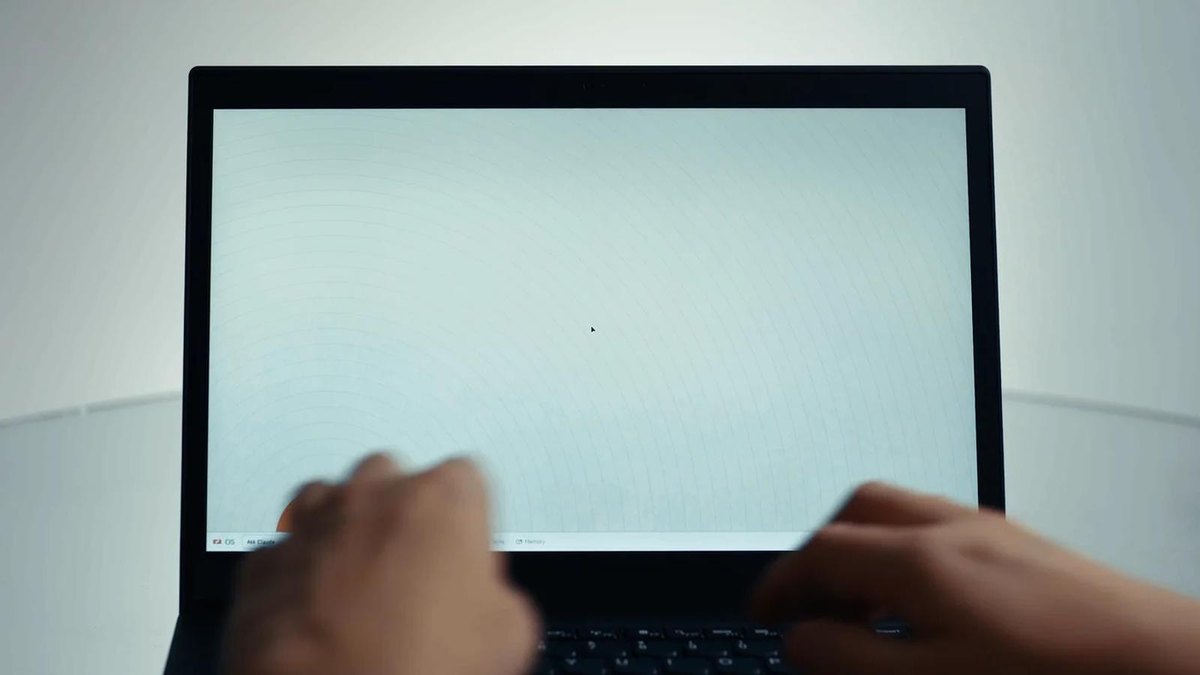
Anthropic says more than 90% of changes merged into its core codebase are now written by Claude with human guidance, and that a team of agents running an earlier Fable 5.2 build migrated a production service from Python to Rust that now starts about 26 times faster. In one experiment, an engineer asked Fable 5.2 to design a prototype operating system: starting from an empty folder, the model coordinated over 1,000 subagents for eight days and produced an OS that boots on a laptop, with drivers, storage, windows, a login screen and an installer. Anthropic describes how it keeps such large teams safe in a post on scaling multi-agent teams with Fable 5.2.
Hardware: three working devices from one paragraph
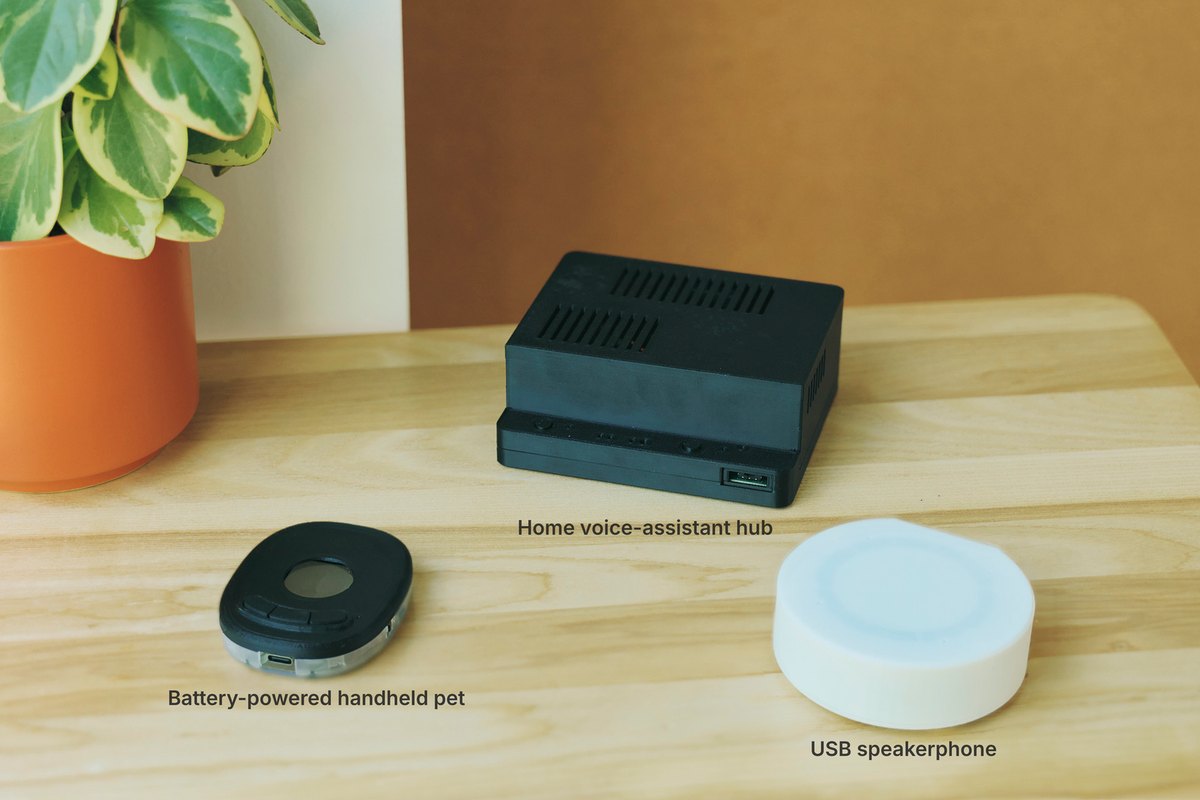
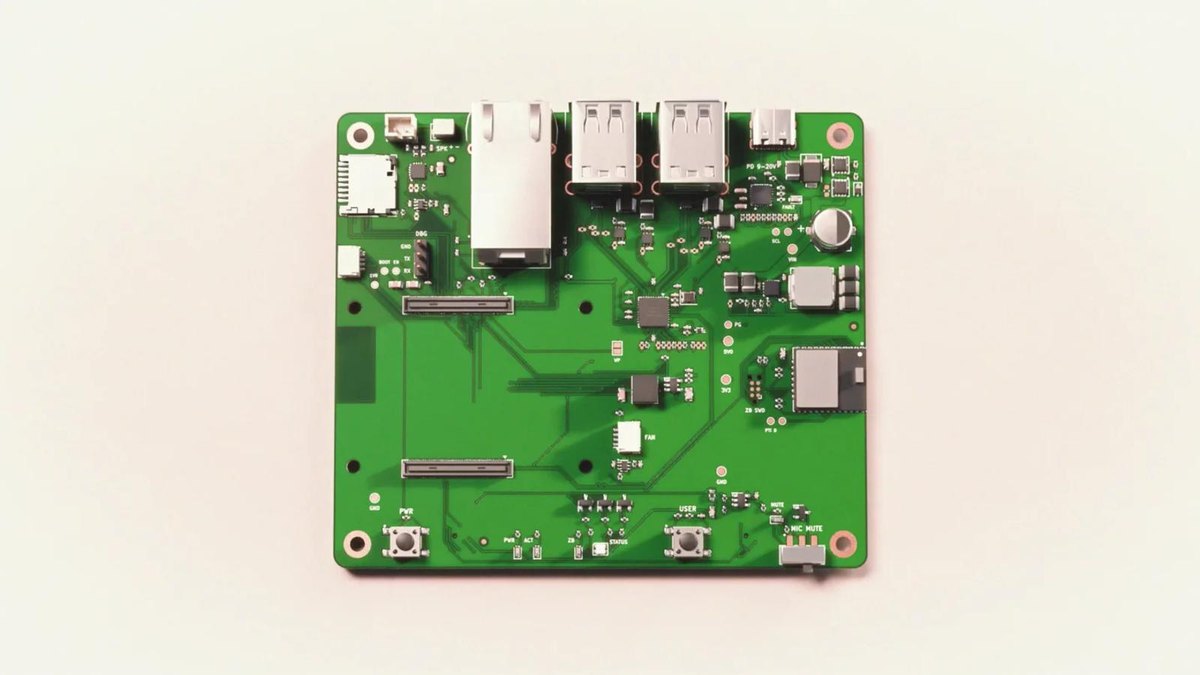
With circuit-board maker Diode, Anthropic gave Fable 5.2 a one-paragraph prompt to design a home voice-assistant hub, a USB speakerphone and a handheld virtual pet. Claude wrote the specifications, selected parts from US distributors, routed each four-layer board, modelled the 3D-printed enclosures and wrote the software. Each board was ready for manufacturing in under a day, and all three devices worked without any electrical modifications. On BenchCAD 2.1, Fable 5.2 scores 83.5 at Max effort, ahead of Opus 5.5 (65.3). The full write-up is in Testing Claude on real-world electronics design. It is a striking contrast with the consumer-hardware story we covered in OpenAI's Astra Codex device.
Mathematics: Fermat's Last Theorem formalized in 30 hours
Anthropic's first formalization of Fermat's Last Theorem in Lean, by an unreleased research model with a purpose-built harness, took 11 days. A team of about 1,000 Fable 5.2 agents did it in 30 hours with minimal human intervention and no mathematical references, using one-third as many action tokens and producing a proof seven times shorter. With the same setup, Opus 5.5 completed only 26% in 18 hours. Fable 5.2 also solved two open problems on black holes and holographic duality, posted as preprints 2611.00175 and 2611.00174.
Robotics and biology
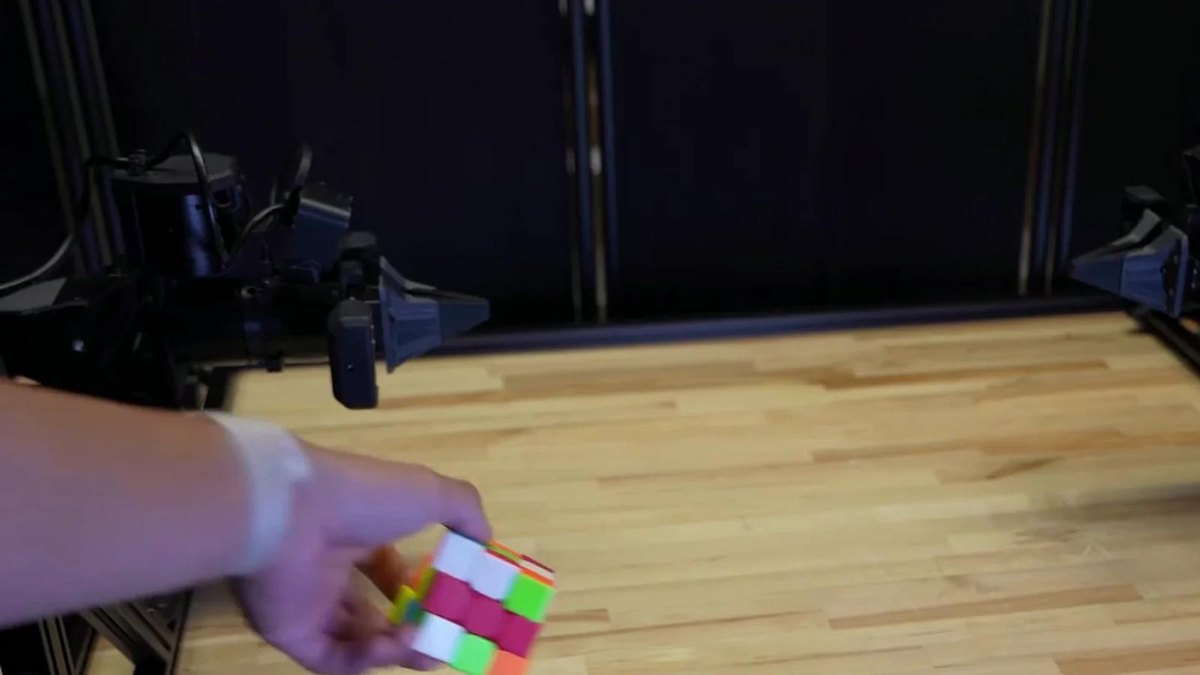
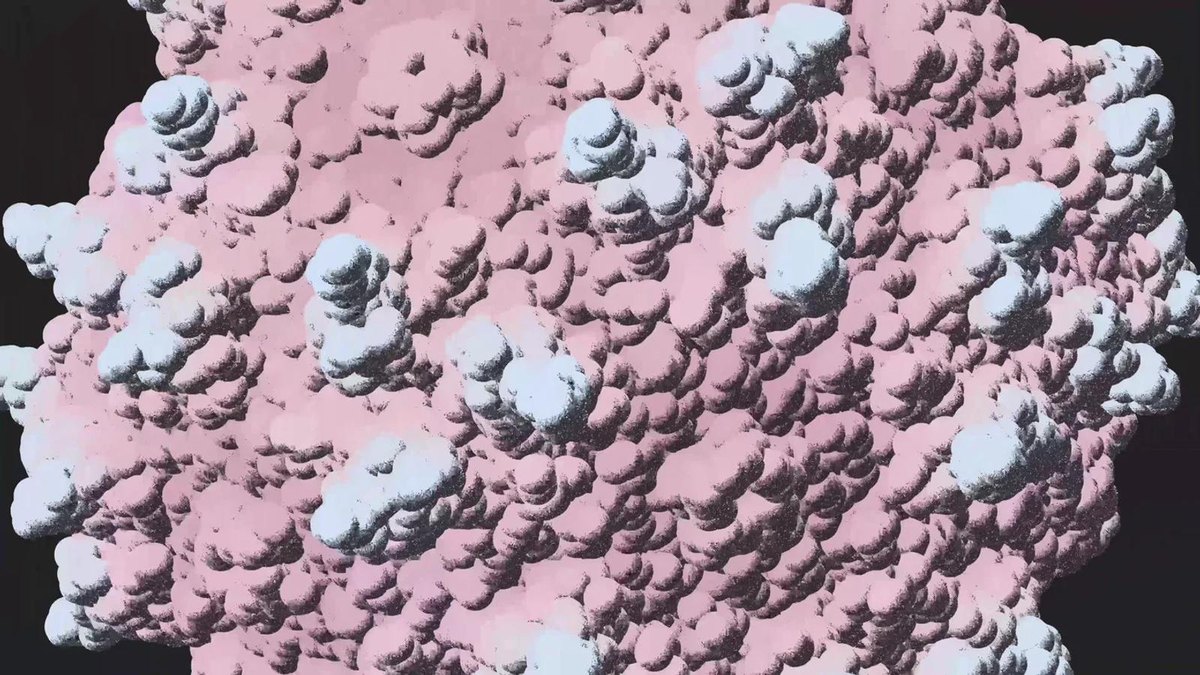
On the public RoboDojo benchmark, which tests control of a simulated two-arm robot from camera images, Fable 5.2 more than doubled Fable 5.1 (64.9% vs 27.6%) and beat other frontier models on the same harness. Anthropic's video shows real arms solving a puzzle cube, unscrewing a bottle cap and drawing, on tasks the model was never explicitly trained for. In biology, Mythos 5.2 built a method to predict whole adeno-associated virus capsids, used to deliver gene therapies, and modelled 28 of 34 capsids accurately in Anthropic's tests.
Cybersecurity: what Mythos 5.2 adds
Fable 5.2's safeguards block most cybersecurity tasks; Mythos 5.2 is Anthropic's model for that work. On its internal CVE Rediscovery evaluation (1,829 CVEs), Mythos 5.2 found 10.2% more vulnerabilities than Opus 5.5 and 14.4% more than Mythos 5.1, and Mozilla reported it roughly doubled Mythos 5.1's vulnerability discovery metrics on Firefox. Enterprise customers can reach it through Claude Security. For how OpenAI handles the same problem, see GPT-6 Cyber and Daybreak Red.
Safety, and why the timing matters
Anthropic says it ran extensive prerelease testing, including new evaluations for behaviours like sandbox escapes, and believes high-stakes misalignment risk remains low. It also flags that both models voice suspicion they are being evaluated more often than recent models, which makes real-world behaviour harder to assess, as TechCrunch highlighted. CNBC notes this is Anthropic's first frontier release since Dario Amodei called for a slower pace in September, and it lands as the company prepares to list; we covered the filing in Anthropic's amended S-1.
Should you switch to Fable 5.2?
For most teams, no: Anthropic itself says start on Opus 5.5 and step up when the task is long, open-ended and technical, such as large migrations, hardware design, formal proofs or long unattended audits. Cost per task matters more than list price: Anthropic's charts show Fable 5.2 at lower effort settings matching Opus 5.5's best scores for a fraction of the cost per task on several benchmarks. Teams with verified security or life-science work should look at Mythos 5.2 through the verification programs.
Sources
- Anthropic: Introducing Claude Fable 5.2 and Claude Mythos 5.2 (Nov 9, 2026)
- Anthropic: Claude Fable product page
- Anthropic: Claude Mythos product page
- Claude Platform docs: Claude Fable 5.2
- Claude Platform docs: Claude Mythos 5.2
- Anthropic: Testing Claude on real-world electronics design
- Anthropic: Formalizing Fermat's Last Theorem
- Claude blog: Safely scaling multi-agent teams with Fable 5.2
- RoboDojo benchmark
- Preprint 2611.00175 and preprint 2611.00174
- Claude Help Center: Cyber Verification Program
- CNBC: Anthropic releases Claude Fable 5.2 and Claude Mythos 5.2 ahead of IPO
- TechCrunch: Anthropic releases new Mythos and Fable models amid RSI concerns
Frequently asked questions
What is Claude Fable 5.2?
Claude Fable 5.2 is Anthropic's most capable generally available model, released on November 9, 2026, for ambitious, open-ended technical work. Its API model ID is claude-fable-5-2.
What is the difference between Claude Fable 5.2 and Claude Mythos 5.2?
They are the same underlying model. Fable 5.2 has strong cybersecurity and biology safeguards and is available to all users; Mythos 5.2 is limited to organisations verified through Anthropic's Cyber or Life Sciences Verification Programs.
How much does Claude Fable 5.2 cost?
$8 per million input tokens and $40 per million output tokens, 20% less than Fable 5.1. Optional fast mode costs $16 and $80.
Is Fable 5.2 better than Opus 5.5?
On most of Anthropic's benchmarks, yes, for example 49.1% vs 45.5% on FrontierCode 2.0. But Anthropic still recommends Opus 5.5 as the daily driver for most coding and knowledge work.
What did Claude Fable 5.2 build during testing?
Anthropic says it wrote a bootable operating system with over 1,000 subagents, designed three working electronic devices with Diode, and with about 1,000 agents formalized Fermat's Last Theorem in Lean in 30 hours.
From the blog
View all posts
Google DeepMind's AI Agents Found Two Weaknesses in Legacy 1024-bit RSA: What Was Measured, What Is Theory, and Why 2048-bit Is Safe
On November 6, 2026, Google DeepMind said human-guided AI agents sharpened two attacks on legacy 1024-bit RSA: a signature-forgery result for padded formats with a 3.5x cheaper 1024-bit reproduction, and a 'fan factory' that cuts batch-factoring cost per extra key about 30x at leading order. Modern 2048-bit RSA is not affected.

Gemini Omni 1.2 Flash: 15-Second Clips, 30% Cheaper, Conversational Editing, Now GA
On November 5, 2026, Google made Gemini Omni 1.2 Flash generally available. Clips stretch to 15 seconds, pricing drops 30% to about $0.07/sec at 720p, and you can edit the same clip turn by turn with stronger reference lock and SynthID watermarks.